A New Front in the Capital's Architectural Dispute
The political and legal landscape surrounding the proposed National World War II Memorial arch in Washington, D.C., has shifted dramatically as the Kennedy family joins a growing coalition of opponents. This towering structure, championed by President Donald Trump as a symbol of military service, has become a focal point for intense debate over historical preservation, federal authority, and the aesthetic integrity of the National Mall. The recent lawsuit filed by descendants of President John F. Kennedy marks a significant escalation, transforming what was previously a bureaucratic planning process into a high-stakes legal confrontation that draws national attention.
The core of the dispute centers on the proposed location of the arch, near the Arlington National Cemetery and the Kennedy family graves. Opponents argue that the massive structure would cast long shadows over the resting places of the late president and his family, a detail that has become a central emotional argument in the litigation. This is not merely a matter of visual preference; for the plaintiffs, it represents a profound disrespect to the memory of a national icon. The legal team representing the Kennedy heirs has framed the issue as one of "valor" versus "vanity," suggesting that the project serves personal political ambitions at the expense of historical reverence.
The Design and Political Origins
President Trump has long advocated for the construction of a new memorial to honor American military veterans, specifically those who served in World War II. The design calls for a monumental arch, significantly larger than existing structures in the area, intended to serve as a gateway to the memorial complex. Proponents describe it as a necessary addition to the nation's most hallowed ground, arguing that the current memorials do not fully capture the scale of sacrifice made by earlier generations of soldiers. The administration has pushed for this project to be completed within its term, creating a sense of urgency that has accelerated the permitting and design processes.
However, the path to construction has been fraught with obstacles. The Department of the Interior, which oversees the National Mall, has faced internal and external pressure to approve the project. Critics point to the precedents set by previous expansions of the National Mall, where strict reviews ensured that new additions complemented rather than dominated the existing landscape. The inclusion of military-themed elements, or as some critics suggest, the potential for the arch to be fitted with ceremonial weapons or flags, has raised further concerns among historians and urban planners. They argue that such features blur the line between a memorial and a political statement, potentially compromising the neutrality of the space.
Legal Challenges and Constitutional Questions
The lawsuit filed by the Kennedy relatives is part of a broader legal strategy to halt the project. Alongside the emotional argument regarding shadows over graves, the legal briefs delve into constitutional questions about the separation of powers and the role of the executive branch in shaping public spaces. The plaintiffs argue that the current administration is bypassing traditional review processes and overriding the advice of independent historical authorities. They contend that the decision to build such a large-scale structure without broader consensus violates the spirit of public trust in federal stewardship of historic sites.
Judicial interest in the case is high, given the high-profile nature of the parties involved. A ruling in favor of the plaintiffs could impose strict limitations on future modifications to the National Mall, setting a precedent that prioritizes preservation over new construction. Conversely, a ruling for the administration would bolster executive authority over federal land and could accelerate other pending projects. Legal experts note that the case may hinge on whether the court views the arch as a permissible addition to existing memorials or as an unauthorized alteration of a protected historic district. This legal ambiguity has kept both sides engaged in intense advocacy and public commentary.
Competing Perspectives on Historical Integrity
Supporters of the arch emphasize the importance of honoring military veterans and ensuring that their sacrifices are recognized with a structure worthy of their service. They argue that the current memorials, while significant, lack a central focal point that draws visitors' attention to the collective effort of the WWII generation. For many veterans' groups, the arch represents a long-awaited tribute that aligns with their values. They view the opposition as an elitist attempt to prevent change and preserve the status quo, regardless of the public desire for a new monument.
- Preservationists: Argue that the scale and location of the arch disrupt the visual harmony of the National Mall and Arlington Cemetery.
- Military Advocates: Believe the arch is a necessary symbol of respect for WWII veterans and their families.
- Legal Scholars: Focus on procedural irregularities and the potential for judicial review of executive planning decisions.
- Local Residents: Express concern over increased traffic and construction disruption in the already congested D.C. area.
These competing views highlight the deep cultural divisions that underpin the debate. For some, the arch is a patriotic statement; for others, it is an act of visual blunder. The divergence is not just about architecture but about how the nation chooses to remember its past and present. The intensity of the reaction suggests that the arch has become a proxy for broader political disagreements about the role of government in shaping public memory.
Impact on the National Mall and Public Space
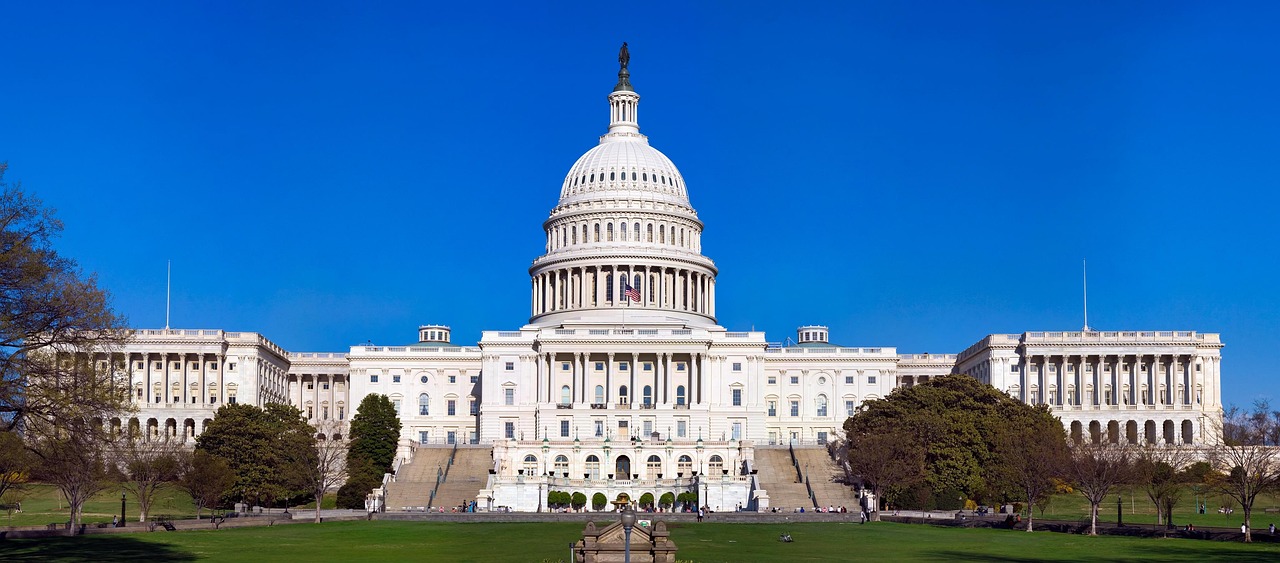
Washington, D.C., is a city defined by its architecture, where buildings serve as physical manifestations of American ideals. The National Mall is particularly sensitive, as it is the symbolic heart of the nation, where protests, celebrations, and state ceremonies take place. Any addition to this space is scrutinized with great care. The proposed arch, if built, would dominate the landscape for miles, altering the sightlines that have been carefully curated over decades. Urban planners warn that such a massive structure could overwhelm the more modest memorials nearby, diminishing their impact and confusing visitors about the historical periods they represent.
Furthermore, the construction phase itself presents logistical challenges. The area is heavily trafficked, with existing infrastructure that cannot easily accommodate heavy machinery and long-term development work. Environmental concerns regarding noise, dust, and potential damage to underground utilities have also been raised. For ordinary visitors and residents, the impact would be felt in the form of detours, increased congestion, and the general disruption that comes with major public works projects. The long-term effect on tourism and the city's identity remains a subject of heated debate among local leaders and tourists alike.
What Comes Next in the Legal and Political Arena
As the legal battle unfolds, the next few months will be critical in determining the fate of the arch. The court's decision on the preliminary injunction will likely dictate whether construction can proceed or must be paused pending a full trial. This ruling could take months, during which time political pressure will continue to mount from both sides. The administration is expected to continue advocating for the project, framing it as a non-negotiable commitment to veterans, while opponents will seek to rally public support for preservation. The outcome will have implications not just for this specific project but for the broader management of federal landmarks.
For the Kennedy family, this lawsuit is a continuation of a legacy of civic engagement and the protection of historical sites. For the administration, it is a test of its ability to deliver on its infrastructure and memorial promises. The resolution of this case will provide insight into how the judiciary balances executive power with public interest in matters of cultural significance. As the nation watches, the arch remains a potent symbol of the ongoing struggle to define American memory in a rapidly changing political climate. The stakes are high, and the decision will resonate far beyond the boundaries of Washington, D.C., influencing how future generations view the intersection of politics, history, and public space.