A New Framework for a Contested Monument
The proposed 250-foot arch in Washington, D.C., has long been a symbol of political ambition and physical dominance in the nation’s capital. However, the narrative surrounding this massive structure has shifted in recent days as the President suggested a potential new dedication for the project. While initially viewed primarily as a statement of presidential legacy, the administration is now exploring the idea of honoring military veterans with the monument. This pivot appears designed to frame the construction not as a vanity project, but as a tribute to national service, potentially altering the public and legal perception of the endeavor.
The Kennedy Family’s Legal Challenge
Protecting the Gravesite
In direct opposition to the administration's plans, the Kennedy family has joined a lawsuit aimed at blocking the construction of the arch. The legal team, supported by the Democracy Defenders Fund, argues that the proposed structure would fundamentally mar the visual integrity of the John F. Kennedy gravesite. The plaintiffs contend that the sheer scale of the arch would overshadow the memorial, turning a place of solemn reflection into a backdrop for a political statement. This legal action represents a significant escalation in the dispute, moving it from a realm of public debate into the federal courts.
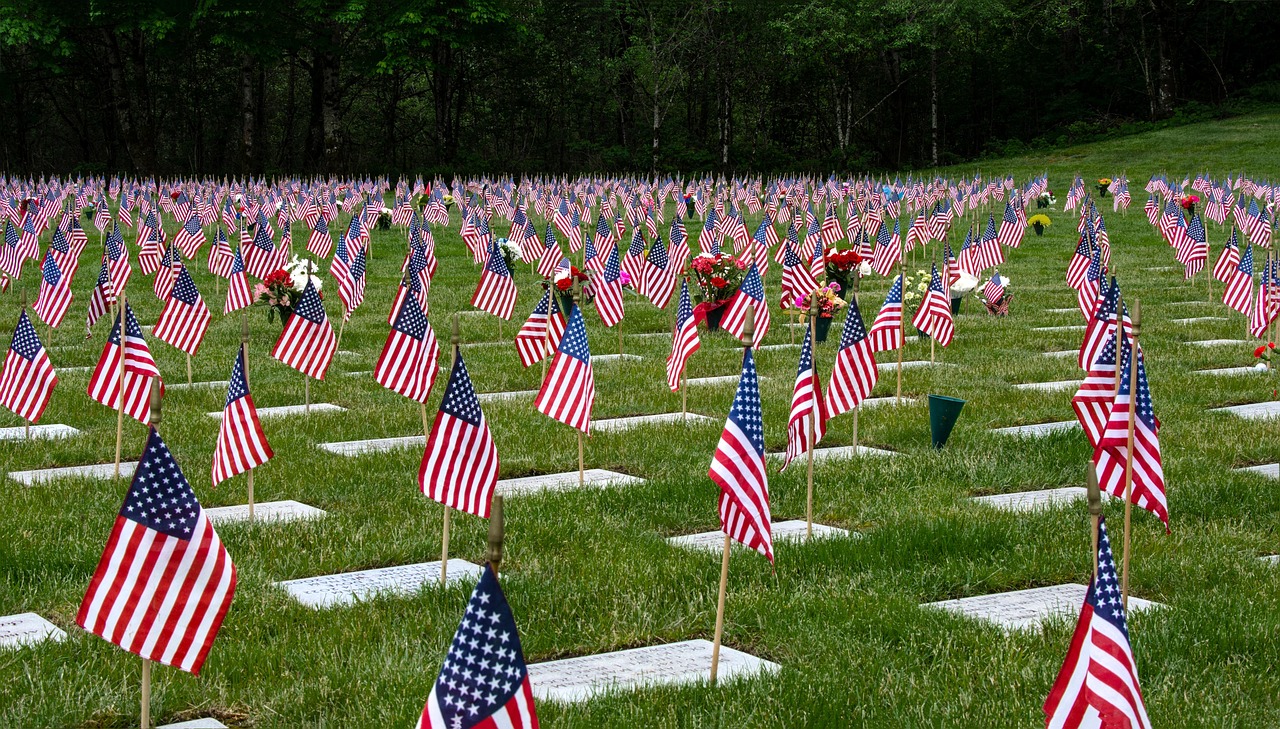
The core of the Kennedy family’s argument rests on the idea that the current landscape of the cemetery was carefully designed to maintain a specific atmosphere of dignity and peace. The introduction of a towering, concrete structure nearby is seen by the heirs as an irreversible change to this environment. They describe the move as prioritizing 'vanity' over 'valor,' suggesting that the project serves the ego of the current administration rather than the memory of the fallen or the previous president. This framing is intended to resonate with veterans and their families, who view the cemetery as sacred ground.
Expert Criticisms and Security Concerns
Beyond the aesthetic and legal arguments, security experts have raised distinct concerns about the proposal. Reports indicate that the administration’s initial plans included arming the arch, a detail that has drawn sharp criticism from defense and infrastructure specialists. The concept of integrating weapon systems into a civilian monument raises complex questions about security protocols, maintenance, and the potential for misuse. Critics argue that such a feature would transform a memorial into a fortified military outpost within a civilian cemetery, creating a unique and potentially dangerous hybrid structure.
- Aesthetic Impact: The arch would dominate the skyline near the Kennedy gravesite.
- Legal Precedent: The suit challenges the authority of the executive branch to alter protected memorial sites.
- Security Risks: The inclusion of weapons in a public monument complicates civilian safety.
These technical and security objections add a layer of complexity to the debate. It is no longer just about the visual presence of the arch, but about the functional implications of such a structure in a sensitive location. The juxtaposition of a memorial for a assassinated president and a potential armed installation for the current president creates a stark visual and symbolic contrast that experts believe is deeply problematic.
Shifting the Narrative: Veterans as Beneficiaries
The President’s recent comments regarding the dedication to military veterans represent a strategic recalibration of the project’s messaging. By associating the arch with military honor, the administration seeks to insulate the project from criticism as purely self-serving. This move taps into a broad base of support among veterans and their communities, who may view the monument as a long-overdue recognition of their sacrifice. If successfully framed in this light, the legal and public challenges may face greater headwinds, as opponents would be accused of disregarding the wishes of those who served their country.
However, this shift does not eliminate the core legal disputes. The question of whether the executive branch has the unilateral authority to construct such a significant structure on federal land, particularly in a location with existing historical and emotional significance, remains a point of contention. The potential dedication may soften public opinion, but it does not address the procedural or constitutional arguments raised by the plaintiffs. The legal battle is likely to hinge on these technicalities as much as on the emotional appeal of the project.
Implications for Federal Memorial Policy
This controversy highlights a deeper tension in how the United States manages its national memorials. The process for creating new monuments has historically been a collaborative effort involving Congress, the National Capital Planning Commission, and various stakeholder groups. The current proposal appears to bypass some of these traditional checks, relying instead on executive action. This approach has raised alarms among preservationists and legal scholars who fear it sets a precedent for future administrations to impose their own monuments without adequate public input or review.
The outcome of this case could have lasting effects on federal land management and memorial construction. If the arch is permitted to proceed, it may establish a precedent that allows for the rapid development of large-scale structures in sensitive areas. Conversely, if the court rules in favor of the plaintiffs, it could reinforce the need for more rigorous environmental and visual impact assessments for future projects. Both outcomes carry significant implications for the balance of power between the executive branch and the courts in matters of public space and historical preservation.
Outlook: What to Watch Next
As the legal proceedings move forward, several key developments will determine the trajectory of the arch project. The first is the court’s decision on the preliminary injunction, which could halt construction while the case is litigated. This ruling will likely focus on the likelihood of success on the merits and the balance of hardships between the parties. The second is the reaction from the veteran community, whose support or opposition could influence public opinion and political pressure on the administration.
Finally, the administration’s response to the legal challenges will be closely monitored. If the focus remains on the veteran dedication, expect increased lobbying efforts from military organizations. However, if the legal risks become too great, there may be a shift in strategy, potentially involving a redesign or a change in location. For now, the arch remains a symbol of a broader conflict over legacy, authority, and the meaning of public memory in modern America.