The Holiday Travel Grindstone
This Thanksgiving season has been defined less by the turkey table and more by the turbulence above and the water below. A powerful storm system has swept across the Mid-Atlantic and Northeast, transforming what was expected to be a routine holiday travel period into a logistical nightmare. For millions of Americans, the journey home has been marred by delays, cancellations, and the lingering threat of severe weather that shows no sign of abating. The convergence of meteorological forces and peak holiday congestion has created a perfect storm of disruptions that has strained air travel networks, strained infrastructure, and tested the patience of commuters nationwide.
The impact is both immediate and far-reaching. Airlines across the United States have scrambled to adjust flight schedules, leading to one of the most significant travel disruptions seen in recent holiday seasons. The sheer volume of affected travelers underscores the vulnerability of the aviation industry to weather events that occur during the most critical travel windows of the year. As the storm continues to push its effects inland, the ripple effects are becoming increasingly difficult to contain, with knock-on delays extending well into the next day.
Aviation Under Siege
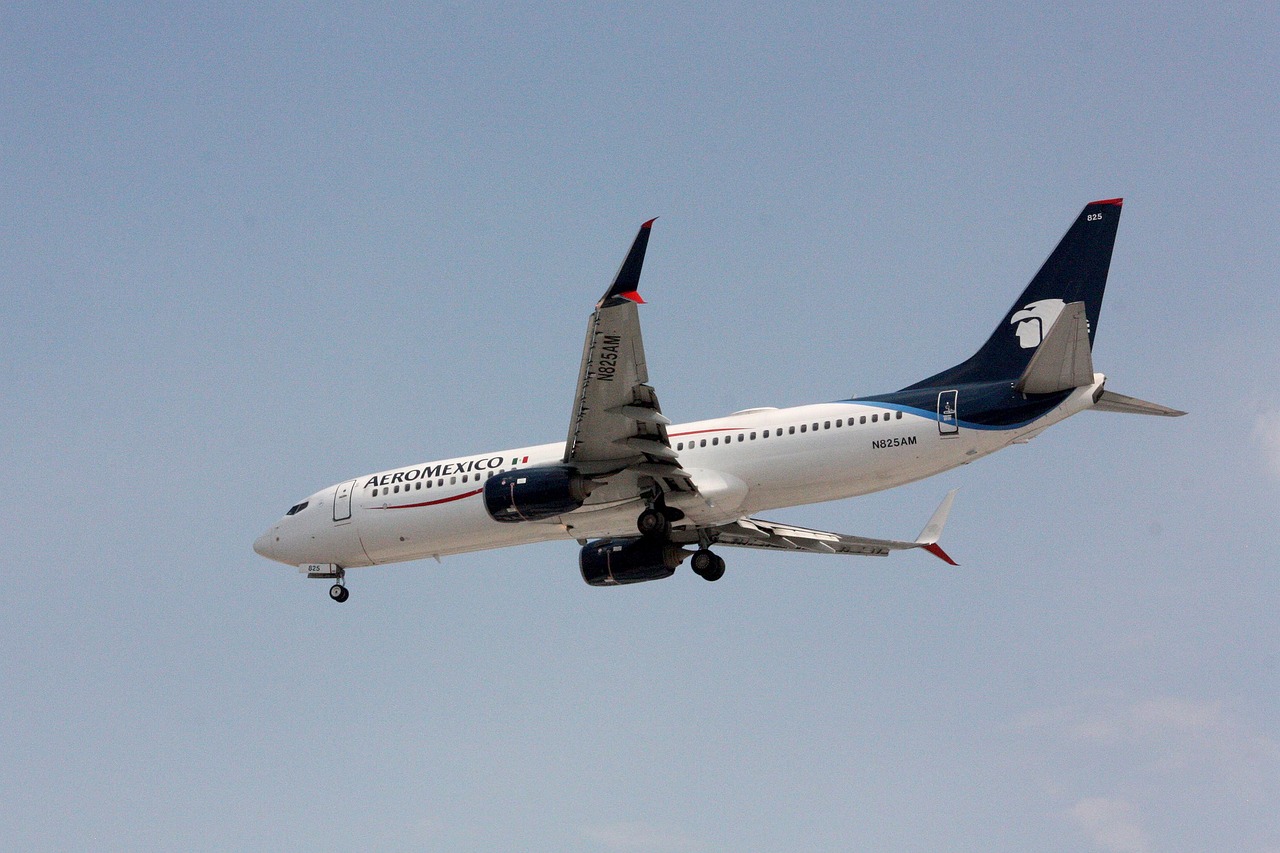
The aviation sector has borne the brunt of the disruption, with over 1,000 flights either cancelled or significantly delayed. For passengers, this translates to missed connections, stranded luggage, and the exhaustion of being stuck in terminal limbo. Major hubs in the Northeast and Midwest have seen their operations severely impacted, with runways closed for periods of time due to low visibility and high winds. Airlines have been forced to implement proactive cancellations to move planes to more favorable weather conditions, a strategy that, while operational, does little to alleviate the stress of passengers who have already packed their bags and hit the road or the tarmac.
- Northeastern hubs report the highest rates of cancellation.
- Midwest airports face significant wind-related delays.
- Passenger wait times in terminals have increased dramatically.
The economic and personal cost of these delays is substantial. Travelers lose not only time but also potential vacation days or work hours. Airlines face pressure from customers demanding refunds or rebooking, straining customer service channels that are already overwhelmed. This event highlights a critical vulnerability in modern travel: our heavy reliance on schedules that are constantly at the mercy of atmospheric conditions. When the weather turns, the entire system wobbles, revealing the fragility of on-time performance goals.
Coastal Communities in the Crosshairs
While the skies have been chaotic, the ground has been equally turbulent. The storm has brought heavy rains and strong winds to coastal areas, exacerbating the risks posed by the natural phenomenon of king tides. These astronomical high tides, which occur around the full or new moon, combine with storm surge to push water further inland than usual. The result is a heightened threat of flooding in low-lying coastal communities from the Carolinas to New England. Residents in these areas have been advised to take precautionary measures, monitor water levels, and be prepared for potential evacuations if conditions worsen.
The timing of this storm is particularly concerning. It coincides with a period when many coastal residents are either displaced by travel or are in areas that are typically more crowded with tourists. This increases the risk of accidents and complicates emergency response efforts. Local meteorologists have emphasized that the combination of high winds, heavy rain, and king tides creates a unique set of hazards that cannot be underestimated. The potential for structural damage, erosion, and infrastructure failure is significant, particularly in areas with aging seawalls or inadequate drainage systems.
The Power Grid Strain
Beyond the immediate effects on travel and coastal safety, the storm has posed a serious threat to the electrical grid. Wind speeds that exceed certain thresholds can knock down power lines and damage substations, leading to widespread outages. Utility companies have issued alerts, urging customers to prepare for potential power failures. In some areas, outages have already begun to appear, with thousands of customers losing electricity. The restoration of power can take hours or even days, depending on the extent of the damage. For many households, this means the loss of heating, lighting, and essential appliances during a cold season, adding another layer of difficulty to an already stressful situation.
The reliance on a stable power grid is a cornerstone of modern life. When that grid fails, the consequences cascade through society. Hospitals must switch to backup generators, businesses must shut down, and residents must rely on emergency supplies. The storm serves as a stark reminder of the infrastructure challenges facing many US communities. Investing in grid resilience and weather hardening is no longer just a theoretical concern but an urgent necessity. The events of this Thanksgiving highlight the need for better preparation and coordination between utility providers, local governments, and residents to mitigate the impact of severe weather on the electrical system.
Competing Perspectives on Preparedness
There is a growing debate about how the US handles severe weather events during peak travel periods. Critics argue that current infrastructure and emergency planning are insufficient to handle the increasing frequency and intensity of such storms. They point to the lack of redundancy in air travel networks and the aging state of coastal defenses. Proponents of the current system, however, argue that while disruptions are inevitable, the overall response has been effective in minimizing loss of life. They emphasize the role of early warning systems and the coordination between federal agencies and local authorities in managing the crisis.
However, for the average citizen, the debate is moot. The reality is that they are stuck in a delayed flight, standing on a flooded street, or sitting in the dark. The disconnect between high-level policy discussions and the on-the-ground experience is widening. Many residents feel that warnings are not specific enough or that the resources available during such events are inadequate. This tension between systemic planning and individual experience is likely to shape future policy discussions. The public is demanding more transparency, better communication, and more robust infrastructure to withstand the growing threat of extreme weather.
What Comes Next
As the storm system begins to weaken, the focus shifts to recovery and assessment. Authorities will be working around the clock to clear debris, repair power lines, and restore normal operations at airports. The full extent of the damage to coastal properties and infrastructure will become clear in the coming days. For travelers, the immediate priority is to stay informed and flexible. Airlines are expected to continue processing cancellations and rebookings, and passengers should monitor their flight status frequently. The holiday spirit may be dampened for some, but the resilience of the American public will likely prevail. In the long term, this event will serve as a case study for emergency management and infrastructure planning, highlighting the areas that need immediate attention and investment. The watch now turns to the recovery effort, which will test the coordination and resources of local and state governments in the weeks ahead.