A Historic Disruption
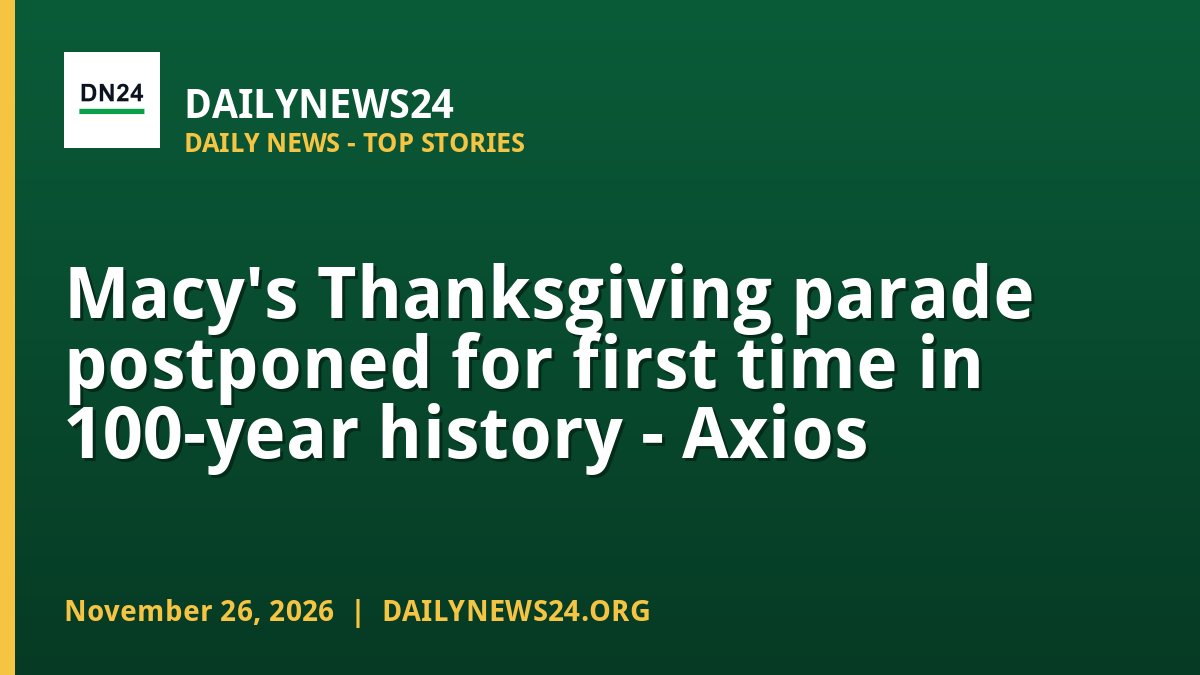
For a century, the Macy's Thanksgiving Day Parade has served as a reliable cultural anchor for millions of Americans. It is the event that signals the official start of the holiday season, a day when crowds gather in Manhattan to watch giant balloons float down Sixth Avenue. For the first time in its long and storied history, this tradition was interrupted not by war, pandemic, or economic crisis, but by the unpredictability of nature. The decision to postpone the 2024 parade marks a significant turning point for one of New York City's most iconic public events.
The announcement made by organizers confirmed that the event would not take place on the traditional Thanksgiving Day. This is a rare occurrence. In the past, the parade has been canceled due to extreme circumstances, such as the aftermath of the 9/11 attacks or the global health crisis of 2020 and 2021. However, this year's cancellation is the first time that severe weather conditions have been the primary driver for a postponement rather than a health or security emergency. This shift highlights the growing impact of climate variability on urban planning and large-scale public gatherings.
The Weather Factor
Forecasting the Storm
The decision was driven by a specific and severe weather forecast for the New York metropolitan area. Meteorologists predicted strong winds and heavy rain for the day of the parade. These conditions posed significant safety risks to both the participants and the millions of spectators who typically line the streets. The inflation of the giant helium balloons requires calm atmospheric conditions to ensure they remain stable and do not collide with one another or overhead obstacles.
Strong winds are particularly dangerous for the parade's most recognizable features. The balloons, which are enormous and sensitive to air pressure changes, can become uncontrollable in gusty conditions. Furthermore, the rain would have made the streets slick and hazardous for the hundreds of performers, musicians, and drivers involved in the procession. Organizers determined that the risk to public safety outweighed the cultural importance of proceeding with the event as planned. This precautionary approach is consistent with standard operating procedures for large-scale outdoor events in unpredictable weather.
Logistical Nightmares Averted
Behind the scenes of the parade is a complex web of logistics that requires months of planning. The event involves the coordination of hundreds of thousands of volunteers, city agencies, and private vendors. When a major public event is canceled, the ripple effects are immediate and widespread. Hotels, restaurants, and retail stores in the area rely heavily on the influx of tourists who come to New York specifically for the parade. In previous years, these businesses have reported significant boosts in revenue during the week leading up to Thanksgiving.
This year, however, those economic expectations had to be adjusted. While the parade is not an annual economic engine in the same way that the Super Bowl or the New York Marathon is, its absence still impacts the local tourism sector. The decision to postpone rather than cancel suggests that organizers may look to reschedule parts of the event or offer alternative experiences. However, the balloon inflation and the full street parade are time-sensitive activities that cannot easily be moved to a different date without disrupting the traditional holiday timeline.
Public Reaction and Social Media
The news of the postponement spread rapidly across social media platforms, generating millions of interactions within hours. Reactions were mixed, reflecting the diverse priorities of the public. Many long-time fans expressed disappointment, particularly those who had already purchased travel tickets or arranged time off work. For them, the parade is not just a spectacle but a cherished family tradition that spans generations. The frustration with meteorological factors was palpable, with many users expressing a sense of loss for what they perceived as a missed opportunity for celebration.
On the other hand, a significant portion of the online community expressed relief and approval. Safety advocates pointed out that the decision was the right one to make. There were also voices from previous years who remembered the discomfort of standing in the rain for hours without adequate shelter. The consensus among safety experts and local officials was that the postponement was a responsible and necessary action. The debate also touched on the resilience of the event, with many noting that the parade has survived historical upheavals, making this a temporary hurdle rather than the end of the tradition.
Implications for Future Events
This event serves as a case study in how major institutions adapt to changing environmental conditions. Urban planners and event organizers are increasingly factoring in climate data and extreme weather probabilities when designing schedules and venues. The flexibility to postpone or modify events is becoming a standard feature of large-scale public programming. In the future, we may see more integrated weather monitoring systems and real-time decision-making protocols for events that rely on outdoor spaces.
For New York City, this incident underscores the city's vulnerability to weather-related disruptions. As climate change continues to alter weather patterns, the frequency of such extreme events may increase. This will require ongoing investment in infrastructure and contingency planning. The Macy's Parade organization now has the precedent of adapting to weather, which may influence how they handle future uncertainties. It sets a tone for other global events that may need to reassess their risk management strategies in light of similar climate pressures.
Looking Ahead
As the holiday season progresses, attention will likely turn to how New York City manages the remaining traditions. The Times Square ball drop, which occurs on New Year's Eve, will still take place, though it too is subject to weather considerations. The departure of the parade leaves a gap in the cultural calendar, but it also provides an opportunity for retailers and locals to focus on the core elements of the holiday without the massive tourist influx. Residents who live along the parade route will enjoy a rare week of reduced noise and traffic, allowing them to celebrate Thanksgiving in a more peaceful environment.
For the organizers, the next steps will involve communicating clearly with stakeholders about any potential alternative celebrations or digital experiences. The lesson from this postponement is that even the most enduring traditions must remain adaptable. While the balloons did not float down Sixth Avenue this year, the spirit of the event remains intact. The community has shown resilience in accepting the decision, and the focus now shifts to ensuring a safe and enjoyable holiday season for all, regardless of weather conditions. The history books will record this as a year when nature took precedence over tradition, a necessary and prudent move in an era of heightened climate awareness.