The Scale of the Outage
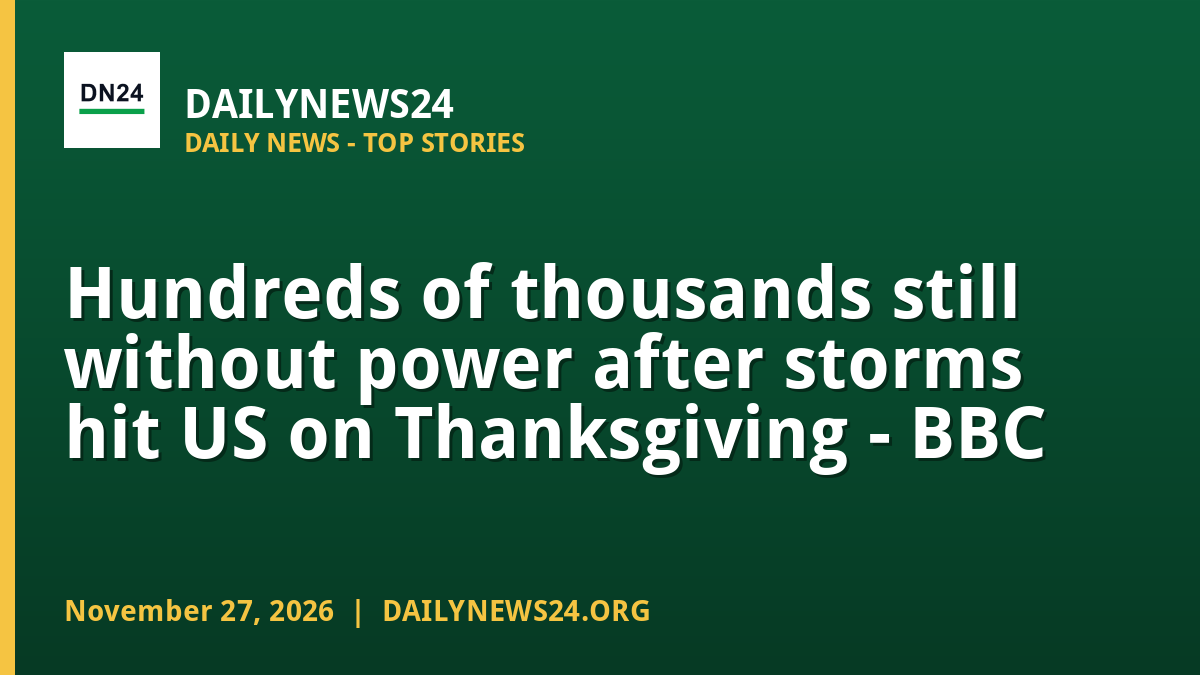
As the holiday turkey was being carved in millions of American homes, a significant portion of the East Coast was plunged into darkness. A powerful nor'easter, a weather system characterized by strong easterly winds and heavy precipitation, made landfall earlier in the week, bringing disrupting conditions to the Mid-Atlantic and New England regions. By the end of the holiday weekend, utility companies reported that approximately 500,000 customers remained without electricity. This figure represents a massive logistical challenge for grid operators who are working around the clock to restore service in areas that were heavily impacted by wind and rain.
The outage did not occur in a vacuum. It was the culmination of a weather system that had been building intensity for several days. As the storm made landfall, it brought sustained winds that downed trees and power lines across multiple states. The timing of the event, hitting directly on Thanksgiving Day, compounded the difficulties for both utility crews and the public. Many households rely on electricity for heating, cooking, and communication, making the loss of power a critical safety and comfort issue during the cold season.
Regional Impact and Recovery
Mid-Atlantic Struggles
Maryland and Virginia were among the hardest hit states in the Mid-Atlantic region. In Maryland, power outages persisted long after the peak of the storm, with utilities reporting slow progress in reconnecting customers. The isolation caused by downed trees on rural roads further hampered the efforts of repair crews. In these areas, the combination of heavy rain and high winds created hazardous conditions that slowed down the restoration process significantly.
Meanwhile, in New York, the focus shifted to restoring service in the suburban and rural areas of the state. The New York Times and other outlets highlighted the widespread nature of the outages, noting that the grid was stressed by the sheer volume of downed lines. For residents in these areas, the wait for power to return became a measure of their resilience. Neighbors began to organize, sharing resources and information, a common response to large-scale infrastructure failures in the Northeast.
Economic and Travel Disruptions
The storm's impact extended far beyond residential power outages. The Thanksgiving holiday is traditionally the busiest travel period of the year in the United States. The severe weather conditions led to widespread flight cancellations and delays at major airports, including those in Boston, Philadelphia, and Washington D.C. Thousands of passengers were stranded, forcing families to rearrange their plans at the last minute. The economic ripple effects were immediate, with hotels, restaurants, and airlines dealing with the sudden shift in demand and operational chaos.
Road travel was equally disrupted. High winds and heavy rain made driving hazardous, leading to increased accidents and road closures. The National Weather Service issued warnings for high winds and coastal flooding, prompting many to avoid travel altogether. For those who did travel, the journey was often longer and more stressful than anticipated. These disruptions highlight how a single weather event can paralyze the mobility of an entire region, affecting not just the people in the storm's path but also those connected to them through work and family obligations.
Infrastructure Vulnerabilities
Aging Grid Systems
The extent of the outages has reignited debates about the resilience of the US power grid. Infrastructure in many parts of the Northeast is aging, and the addition of extreme weather events makes the system increasingly vulnerable. Experts note that while there have been investments in grid hardening, the frequency and intensity of severe storms are outpacing the pace of infrastructure upgrades. This gap leaves communities exposed to prolonged outages when major weather systems strike.
The reliance on overhead power lines presents a particular challenge. These lines are susceptible to being torn down by falling trees during high-wind events. Underlying cables are more resilient but come with higher installation and maintenance costs. Utility companies are weighing these options as they plan for future upgrades. The recent storm serves as a stark reminder of the costs associated with underinvestment in critical infrastructure, both in terms of immediate financial losses and the long-term impact on quality of life.
Community Response and Safety
Safety concerns were paramount for residents caught in the outages. Local officials and utility companies issued updates on safe practices, such as avoiding downed power lines and using generators safely to prevent carbon monoxide poisoning. Emergency shelters were opened in some areas to provide warmth and food to those who were most vulnerable, including the elderly and those with medical needs. The community response was notable for its speed and coordination, with many local organizations stepping in to fill the gaps left by the infrastructure failure.
The social impact of the outage was also significant. In the quiet of the storm, communities came together in ways that are often unseen. Neighbors shared information about which lines were being repaired first, offered rides to those with vehicles, and checked on the well-being of isolated individuals. This sense of solidarity provided a measure of comfort during a stressful time. It also highlighted the importance of social capital in times of crisis, when formal systems are overwhelmed or unavailable.
Looking Ahead: Climate and Policy
As the immediate recovery efforts continue, the long-term implications of this storm are coming into focus. Climate scientists have long warned that changes in weather patterns will lead to more frequent and intense storms. This event aligns with those predictions, suggesting that what was once considered an unusual occurrence may become more common. For policymakers, this raises urgent questions about how to prepare for a future with more extreme weather.
The path forward likely involves a combination of increased investment in grid resilience, better forecasting and communication, and stronger community preparedness measures. It also calls for a reevaluation of how we build and maintain our infrastructure in the face of changing climate conditions. For ordinary readers, the message is clear: resilience is not just a matter of individual preparation but of collective action and systemic change. The coming weeks will likely see a continued push for transparency from utility companies and political leadership on the steps being taken to prevent similar future disruptions.