The Perfect Storm for Holiday Travelers
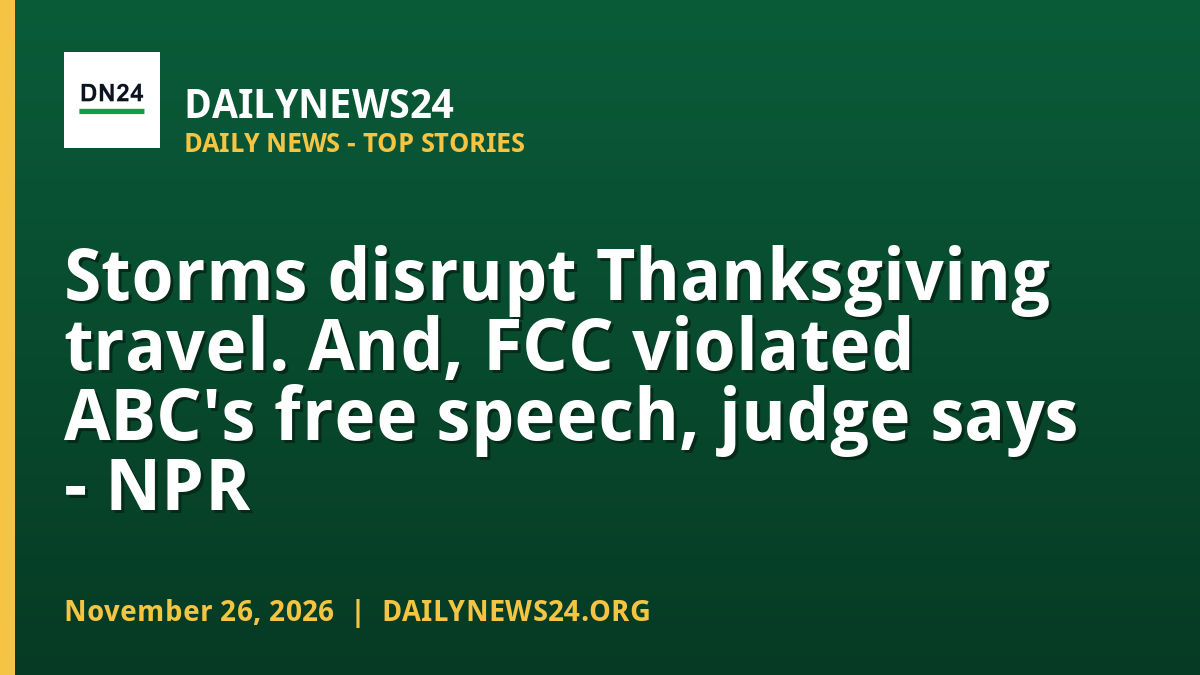
This Thanksgiving, the United States is facing a dual challenge that spans from the pavement to the courtroom. On the ground, severe weather systems are colliding with the peak travel season, creating hazardous conditions for millions of Americans attempting to reach their family homes. The meteorological outlook paints a picture of significant disruption, with official forecasts indicating that seventy million people across the country face some level of flood risk today. This is not merely a local inconvenience; it is a nationwide logistical event that requires immediate attention from drivers, flyers, and coastal residents alike.
The weather patterns emerging this year are particularly treacherous because they combine multiple high-impact elements simultaneously. Heavy rainfall is the primary driver of the ground-level chaos, but it is compounded by sustained high winds and what meteorologists are calling king tides. The convergence of these factors means that even areas not directly in the path of the heaviest rain are experiencing secondary effects, such as coastal flooding and power outages. For the average traveler, this translates to delayed flights, flooded highways, and a general sense of uncertainty that is starkly different from recent years where weather had less of an impact on the holiday week.
Coastal Vulnerabilities and the King Tide Factor
Coastal regions from the East to the West are bearing the brunt of the atmospheric pressure systems moving across the continent. The term "king tides" refers to the highest regular tides of the year, which, when combined with storm surge and heavy rainfall, can overwhelm drainage systems and low-lying areas. This phenomenon is particularly acute in urban centers where infrastructure may not be fully prepared for the volume of water being pushed inland by the wind.
- East Coast Impacts: Regions traditionally prone to autumn storms are seeing extended periods of heavy rain, leading to flash flooding in urban centers.
- West Coast Conditions: Similar weather patterns are affecting Pacific coastal states, disrupting highway traffic and marine activities.
- Power Grid Strain: High winds combined with wet conditions have resulted in a notable uptick in power outages, affecting both residential and commercial areas.
For those currently traveling, the advice from emergency management officials is clear: avoid non-essential travel if possible. If travel is unavoidable, drivers should allow significantly more time for their journeys and avoid driving through standing water. For air travelers, airlines have already begun implementing voluntary cancellations and delays to manage the backlog and ensure safety, meaning that even if a flight is technically scheduled, it may not adhere to its original timeline.
Logistical Bottlenecks on the Road and Air
The disruption is not limited to the physical environment of rain and wind; it extends deeply into the operational logistics of the nation’s transportation networks. When severe weather hits during the busiest travel period of the year, the effects cascade rapidly. A single delayed train or canceled flight can create a ripple effect that leaves thousands of passengers stranded or rerouted at the last minute.
Data from transportation authorities suggests that road congestion levels have already exceeded historical averages for this time of year. The combination of bad weather and high volume of vehicles leads to increased accident rates, further clogging already busy interstates. For long-distance drivers, this means the risk of being stranded on the side of the road in inclement weather is higher than usual. Safety becomes the paramount concern, with law enforcement in many areas urging motorists to pull over to a safe location if visibility drops or roads become impassable, rather than risking a crash in an attempt to make a destination.
Air travel has also seen significant adjustments. While specific flight cancellation numbers fluctuate hour by hour, the overall trend indicates a strained system. Passengers are advised to check their carrier’s status pages frequently and to have backup plans in place. The economic implication of these disruptions is also non-trivial, with hotels and rental car agencies experiencing last-minute changes that affect their revenue streams for the holiday quarter.
A Judicial Shake-Up in Media Regulation
While the weather commands attention in the physical world, a significant legal development is unfolding in the regulatory sphere that has the potential to reshape the landscape of American broadcasting. A federal judge has issued a ruling stating that the Federal Communications Commission (FCC) violated the free speech rights of the American Broadcasting Company (ABC). This decision is a major legal event, signaling a shift in how media companies interact with federal regulatory bodies regarding content and licensing.
The lawsuit centers on the tension between regulatory enforcement and constitutional protections. ABC argued that certain actions or instructions from the FCC infringed upon its First Amendment rights. The judge’s agreement with this position suggests a stricter interpretation of the limits of regulatory power over private media entities. This is not an isolated incident but rather part of a broader legal trend where broadcasters are increasingly challenging government actions they perceive as politically motivated or overreaching.
Implications for the Broadcasting Industry
The ruling has immediate implications for ABC and indirect but profound implications for the broader media industry. If the FCC’s actions are ruled unconstitutional in this context, it sets a precedent that other media companies may follow. This could lead to a more defensive stance by regulators, who may be less willing to intervene in editorial matters or impose conditions on licenses that touch on content.
- Legal Precedent: This case may become a key reference point in future disputes between media companies and the FCC.
- Regulatory Climate: The FCC may face increased scrutiny regarding its enforcement practices and the basis for its regulatory decisions.
- Commercial Impact: ABC may see short-term financial impacts due to legal costs, but long-term, the ruling could protect its operational autonomy.
For the public, the most visible effect may be subtle. It suggests that the content viewers consume on major networks is less likely to face regulatory mandates that could alter programming decisions. This reinforces the principle that while the government manages the airwaves, it does not dictate the speech that occurs on them, provided no illegal content is broadcast.
The Convergence of Crisis and Change
It is notable that these two major stories are developing simultaneously. The weather crisis represents an immediate, tangible threat to safety and routine, requiring practical, split-second decisions from individuals. The FCC ruling, by contrast, is an abstract but foundational shift in the legal framework governing information and communication. Together, they highlight the complexity of modern American life, where individuals must navigate both physical hazards and evolving legal landscapes.
For ordinary readers, the lesson is one of adaptability and awareness. In the next few days, practical caution is required. Monitor local news feeds for real-time weather updates, check flight statuses before heading to the airport, and avoid driving in hazardous conditions. Simultaneously, observers of the media landscape should note that the legal battles between broadcasters and regulators are far from over, and this ruling will likely spark further litigation and political debate in the coming weeks.
Outlook and What to Watch
Looking ahead, the weather system is expected to persist for the next 48 hours before gradually clearing, though residual flooding risks will remain in coastal areas. Travelers should expect continued disruptions until the storm systems fully move out. On the legal front, the decision opens the door for appeals, which could delay the finality of the ruling for months or even years. The FCC is expected to respond to the judgment, and other media players will be watching closely to see if this creates a wave of similar legal challenges.
In the broader context, this week serves as a reminder of the fragility of routine. Whether it is a storm blowing out on the East Coast or a judge’s gavel strike in a federal courtroom, the ordinary flow of life can be interrupted by forces both natural and legal. Staying informed through reliable sources is the best strategy for both safety and understanding the changing rules that govern public discourse.