A Historic Shift in the Lone Star State
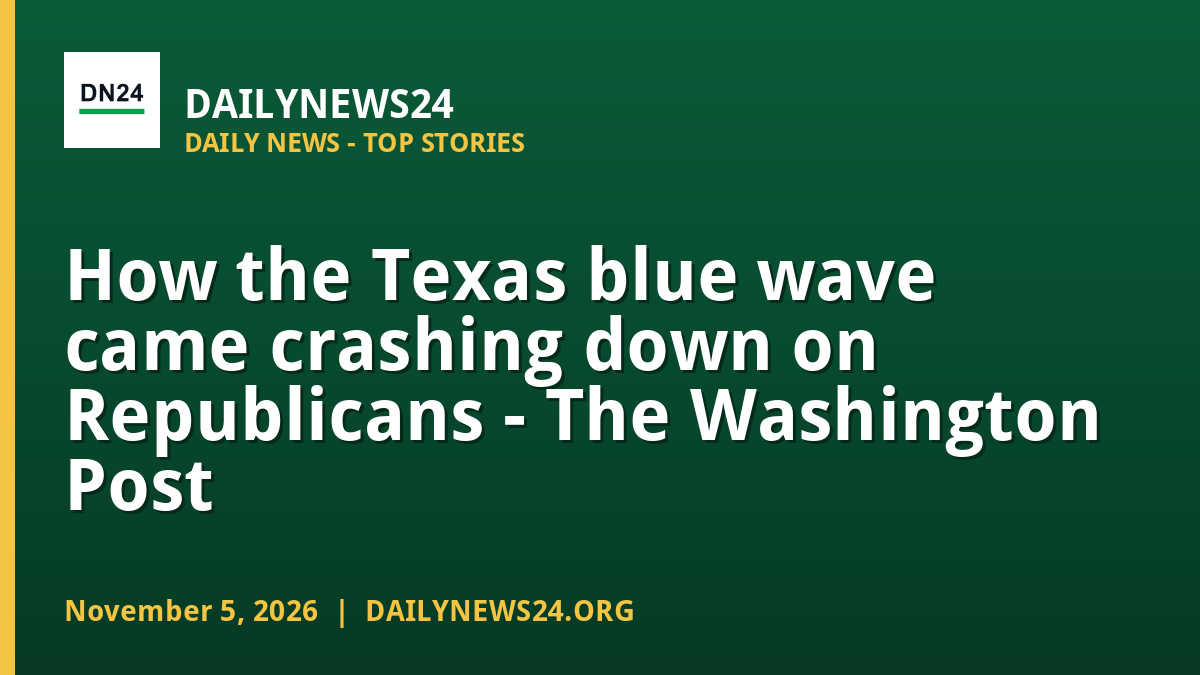
Texas has long been viewed as an immovable object in American politics, a deep-red bastion where Democratic victories were often limited to isolated urban pockets. However, recent electoral results have fundamentally challenged this perception. The state witnessed a dramatic surge in Democratic support that went far beyond typical mid-term fluctuations, signaling a potential realignment in one of the largest and most influential states in the Union. This shift was not merely a marginal gain in a few districts but a comprehensive wave that touched statewide offices and legislative seats alike.
The magnitude of this change has stunned political analysts and party strategists on both sides of the aisle. For decades, the Republican Party had maintained a near-monopoly on power in Austin, leveraging conservative mandates and strong rural support. Yet, in this latest cycle, the Democratic machine demonstrated an unprecedented ability to mobilize a diverse coalition. The outcome suggests that the political map of Texas is no longer fixed, offering a preview of what might be possible in other traditional Republican strongholds nationwide.
For ordinary voters, this shift carries significant implications. It suggests that legislative priorities may pivot toward issues such as healthcare access, worker protections, and infrastructure investment. The sudden competitive nature of Texas politics means that margins of victory are narrowing, forcing both parties to engage with a broader spectrum of the electorate rather than relying solely on their base.
The Role of Voter Anger
Central to this Democratic surge was a potent force: anger. Specifically, widespread frustration among Latino communities regarding immigration enforcement, social policies, and perceived neglect by state leadership became a primary driver of turnout. This demographic, which has traditionally had high identification with the Democratic Party but lower rates of consistent voting, was mobilized at an exceptional level. The emotional energy of this group proved difficult for Republican opponents to counter.
Political strategists noted that the messaging resonated deeply because it addressed immediate, tangible concerns rather than abstract ideological points. When voters feel that their daily lives are being negatively impacted by state policy, the imperative to vote becomes urgent. In this context, anger was not just an emotion but a mobilizing factor that overcame barriers such as work schedules, transportation issues, and apathy. The result was a turnout rate that defied historical norms for this region.
- Immigration policy remained the most cited issue among younger Latino voters.
- Workplace protections and wage concerns drove engagement in suburban areas.
- Reproductive rights served as a rallying cry in several critical districts.
This grassroots mobilization highlighted the effectiveness of direct outreach and personal storytelling. Door-to-door canvassing and community events allowed candidate organizations to connect with voters on a human level, transforming abstract political grievances into a shared mission. The intensity of this engagement created a ground game that outpaced the Republican response in many key counties.
Strategic Messaging and Ground Game
Behind the scenes, the Democratic victory was the product of meticulous planning and data-driven strategy. Campaigns focused on identifying and targeting specific voter segments that were previously unresponsive. By leveraging sophisticated data analytics, organizers were able to predict which households were likely to swing and allocate resources accordingly. This precision targeting allowed for a more efficient use of limited campaign funds and volunteer hours.
Furthermore, the messaging was tailored to speak directly to the concerns of each targeted demographic. In Hispanic communities, the focus was on family unity and protection from immigration raids. In suburban areas, the emphasis shifted to economic stability and local governance. This nuanced approach prevented the campaign from appearing out of touch or overly ideological. Instead, it presented a practical alternative to the status quo, appealing to voters who were disillusioned with the direction of the state government.
The Importance of Local Candidates
It is also worth noting the role of local and down-ballot candidates in driving overall turnout. While high-profile statewide names often dominate media coverage, it was the visibility and relatability of local representatives that helped sustain voter interest throughout the election cycle. These candidates often had deeper roots in their communities and were seen as more accountable to local issues. Their presence on the ballot provided an additional incentive for voters to engage with the entire ticket rather than just the top-of-the-ballot choices.
Implications for National Politics
The Texas election serves as a critical case study for national political trends. It demonstrates that even in states with a long history of one-party dominance, electoral outcomes can shift rapidly when conditions align. For Democrats, this victory provides a blueprint for competing in other red states, emphasizing the importance of targeted outreach to under-mobilized demographics. For Republicans, it serves as a warning that complacency is a dangerous strategy in an era of polarized politics and shifting demographics.
Nationally, the implications extend beyond a single state. The success of the Texas campaign suggests that the political center of gravity may be moving toward suburban and diverse urban areas. This shift could influence candidate selection, debate topics, and policy priorities at the federal level. Parties that fail to adapt to these changing demographics risk losing relevance in key battlegrounds. The Texas model highlights the necessity of building coalitions that span traditional partisan lines, focusing on shared economic and social concerns.
Moreover, the election results may influence how media organizations cover politics in the coming years. With Texas potentially becoming a competitive state, media attention will likely increase, bringing national scrutiny to local issues. This heightened visibility can amplify both positive and negative narratives, making every policy decision and candidate action subject to intense public review. The state’s growing political competitiveness will keep it at the center of national political discourse for the foreseeable future.
Challenges Facing the New Leadership
Despite the electoral victory, the new Democratic leadership in Texas faces significant challenges. Governing a state with a large Republican minority in the legislature requires a high degree of political skill and compromise. The margin of victory in many races was narrow, meaning that the new administration will have limited room for error. Any significant policy misstep could energize the opposition and set back the Democratic agenda for years.
Budget constraints and institutional barriers also pose hurdles. The state government is deeply entrenched in conservative priorities, and shifting the budget toward progressive initiatives will require sustained pressure and legislation. Additionally, the administration must manage expectations within its own party. Voters who turned out in high numbers expect tangible results, and a failure to deliver on campaign promises could lead to disillusionment in future elections.
Outlook: What to Watch Next
As the new session of the Texas legislature gets underway, several key indicators will determine whether this blue wave is a fleeting moment or the start of a long-term trend. First, the ability of Democrats to maintain high levels of volunteer engagement and funding will be crucial. Sustained mobilization is necessary to hold onto newly competitive seats and expand the coalition. Second, the response from the Republican Party will be telling. If they adapt their strategies and target similar demographics, the state could become a true toss-up, benefiting voters with more competitive races.
Finally, national events will play a role. Federal policy decisions on immigration, healthcare, and economic regulation will likely spill over into state politics, either reinforcing or contradicting the state’s new direction. The next few months will be a test of resilience for the new leadership. If they can navigate the complexities of governance while staying true to the values that energized their base, Texas may indeed be entering a new era of bipartisan competition. For now, the dust is still settling, but the foundation for a changed political landscape has been firmly laid.