The Arrest and Immediate Aftermath
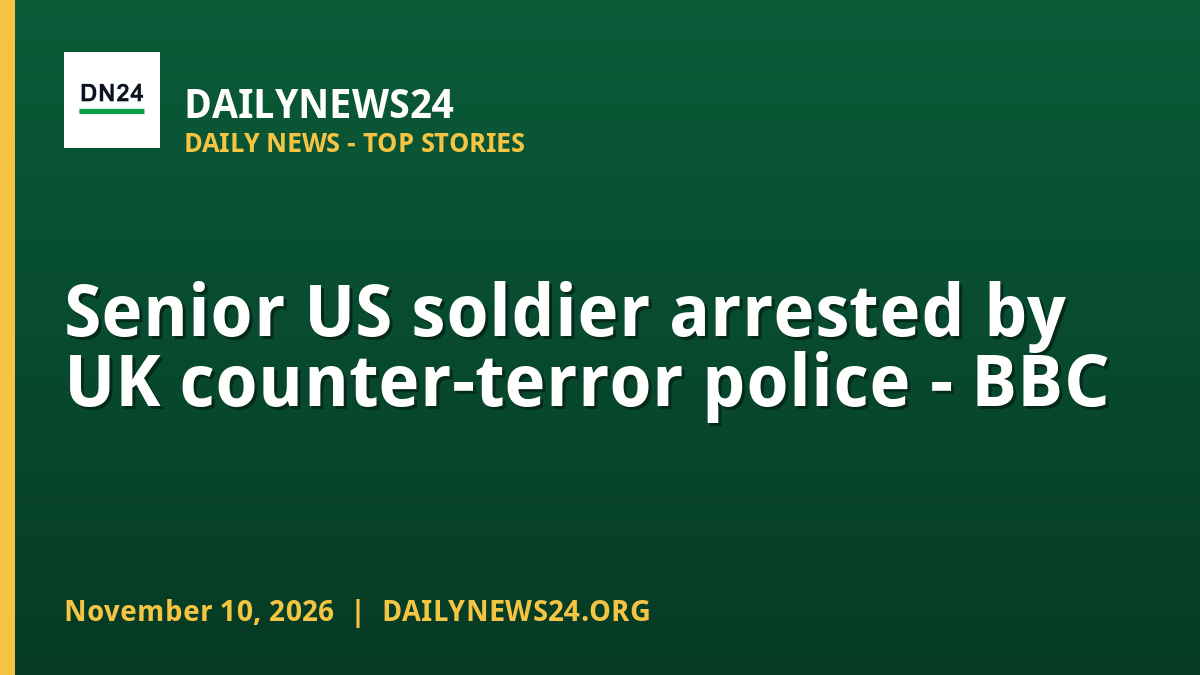
British authorities have taken a senior United States Army officer into custody, marking a significant escalation in counterintelligence operations on British soil. The arrest was executed by officers from Scotland Yard’s Counter Terrorism Command, indicating the severity with which the UK government views the allegations. According to available reports, the individual was detained on suspicion of engaging in espionage activities that directly benefit the Russian Federation. This event has triggered immediate diplomatic consultations and raised urgent questions about the security protocols surrounding foreign military personnel stationed in the United Kingdom.
- The suspect is a senior officer in the US Army.
- The arrest was made by UK counter-terrorism police.
- The primary suspicion involves the theft of classified secrets for Russia.
The timing of this detention is particularly notable given the heightened geopolitical tension between the West and Russia. For ordinary readers, this incident is not merely a criminal matter; it represents a potential breach in the collaborative security framework that binds the US and UK together. The involvement of counter-terrorism police, rather than standard criminal investigators, suggests that the intelligence services view this case as a national security threat rather than a simple act of industrial or corporate espionage. The location of the arrest in Britain adds a layer of complexity, as it occurs within a territory where US and UK intelligence agencies typically operate with significant trust and transparency.
The immediate legal implications for the detained officer are severe. Under British law, espionage offenses carry substantial penalties, and the individual will likely face a lengthy pre-trial detention period while evidence is gathered and reviewed. The US Department of Defense has reportedly been notified, and standard diplomatic channels are expected to be activated. However, the rapid nature of the arrest suggests that UK intelligence agencies possessed sufficient evidence to act decisively, potentially intercepting the transfer of sensitive information before it could be fully exfiltrated. This proactive stance highlights the robustness of British counterintelligence capabilities and their willingness to act against allied personnel if national security is perceived to be at risk.
Background on Transatlantic Intelligence Cooperation
The United States and the United Kingdom share one of the closest intelligence partnerships in the world, often referred to as the "Five Eyes" alliance, which also includes Canada, Australia, and New Zealand. This cooperation is built on a foundation of mutual trust, allowing for the sharing of highly sensitive signals intelligence, human intelligence, and strategic assessments. Military personnel from these nations often work side-by-side, sharing access to secure facilities and classified databases. The arrest of a senior US officer by UK authorities disrupts this trust and forces both governments to reassess the vetting processes and monitoring systems that protect such shared information.
In recent years, there has been a growing concern within Western intelligence communities that Russia is aggressively targeting military and diplomatic personnel to infiltrate Western defense structures. Russia’s Foreign Intelligence Service (SVR) and Military Intelligence (GRU) have been accused of using sophisticated recruitment techniques, often focusing on individuals who may be susceptible to financial temptation, ideological coercion, or personal leverage. The fact that this suspect is a "senior" officer implies that the Russian intelligence apparatus was able to penetrate high levels of the US military command structure, or at least attempt to do so. This raises alarming questions about the internal security measures within the US Army and the effectiveness of ongoing counterintelligence screenings.
The context of the arrest is further complicated by the ongoing conflict in Ukraine. As the US and UK have provided substantial military and financial support to Ukraine, the incentive for Russia to gather intelligence on Western military strategies, technological capabilities, and logistical networks has intensified. Any leak of information regarding supply chains, weapon systems, or operational planning could have direct consequences on the battlefield. Therefore, the alleged actions of the detained officer are not abstract; they have potential real-world impacts on the safety of current military operations and the effectiveness of the Western alliance. The UK’s decision to publicize the arrest, or at least allow media reports to emerge, serves as a dual message: to deter further espionage and to demonstrate to the public that the security apparatus remains vigilant against foreign threats, even from within allied ranks.
The Methodology of Modern Espionage
Modern espionage has evolved far beyond the stereotype of the spy dropping dead drops in parks or reading microdots from newspapers. Today, intelligence gathering is heavily reliant on digital access, social engineering, and the manipulation of networks. In the case of a senior military officer, the primary asset is not a physical document but access to secure networks, classified briefing materials, and the confidence of other officials. The alleged attempt to "steal secrets" likely involved efforts to download data, photograph secure screens, or extract information through conversations with other personnel. The digital footprint of such actions is extensive, but also difficult to trace without advanced surveillance capabilities, which explains why counter-terrorism and intelligence agencies were involved early in the investigation.
Recruitment for espionage is often a slow, psychological process that can take years. Agents may approach targets in social settings, professional conferences, or through shared interests. The initial contact is rarely overt; it is usually a gradual building of a relationship. Once trust is established, the recruiter may probe for vulnerabilities, such as financial debt, personal scandals, or ideological disagreements. For a senior officer, the stakes are higher, and the potential rewards for the recruiter are immense. The involvement of a "senior" figure suggests that the Russian side invested significant resources in cultivating this relationship, indicating that the intelligence sought was of high value. This underscores the sophistication of the threat and the need for continuous awareness and reporting of suspicious activities within military and government circles.
The technical aspects of data exfiltration also play a crucial role in such cases. Even with strict security protocols, opportunities for unauthorized access can arise. Portable storage devices, unauthorized cloud uploads, or casual notes can all become vectors for leaking classified information. Security officials emphasize that the majority of intelligence breaches are caused by human error or complacency rather than high-tech hacking. This makes the training and vetting of personnel critical. The arrest serves as a stark reminder that security is not just a matter of walls and firewalls, but of the integrity and vigilance of the individuals who hold the keys to sensitive information. The investigation will likely focus on how the suspect accessed the information and what specific details were targeted. Understanding the scope of the leak will determine the severity of the response and the necessary changes to security protocols.
Competing Perspectives and Official Responses
The official response from the US Department of Defense has been characteristically restrained, a standard protocol when personnel are detained by foreign authorities for suspected security breaches. The US government typically declines to comment on ongoing investigations or to confirm the identity of the individual without due process. However, behind the scenes, the internal reaction is likely one of concern and urgency. The Pentagon and the Department of Justice will be working closely with their UK counterparts to understand the evidence and to assert consular rights for the detained officer. The US may also review its own security screenings to identify if there were any missed indicators or if the suspect had previously reported suspicious contacts that were not fully investigated. This internal review is a standard part of the process and is intended to identify systemic failures and prevent future incidents.
British officials, while bound by operational security, have signaled through the nature of the arrest that they view this as a serious national security matter. The involvement of Counter Terrorism Command suggests that the UK sees this not just as a criminal act, but as a hostile act by a foreign state. This perspective influences the legal approach, as espionage is often treated with the utmost severity in British courts. The UK government is also likely considering the diplomatic implications of arresting a senior ally. While the US and UK relationship is robust enough to withstand such incidents, it requires careful management to ensure that trust is not eroded. Communications between the two governments will focus on reaffirming the commitment to the alliance while emphasizing the non-negotiable nature of national security. The message is clear: no alliance can protect actions that threaten the safety of one partner.
From a public relations standpoint, both governments face the challenge of informing the public without compromising the investigation. In the age of social media and 24-hour news cycles, details can leak quickly, potentially jeopardizing ongoing legal proceedings or counterintelligence operations. Officials must balance transparency with discretion. For the general public, the significance of this story lies in the reassurance that their governments are actively protecting them from foreign threats. It also highlights the complex reality of modern security, where enemies and allies can share the same physical spaces and digital networks, making the identification of threats more difficult but also more critical than ever.
Implications for Military Security Protocols
This incident will likely trigger a comprehensive review of security protocols for foreign military personnel stationed in the UK. While the US and UK have established procedures for the handling of classified information by allied forces, the arrest of a senior officer suggests that these procedures may need to be tightened. This could involve more frequent random audits of access logs, enhanced monitoring of data transfers, and stricter vetting of individuals who seek access to high-level classified rooms. The goal is not to create an atmosphere of suspicion that hampers cooperation, but to identify and mitigate risks before significant damage is done. Such reviews are common in intelligence communities and are part of the continuous improvement process that keeps security frameworks effective.
The impact on the US Army specifically will be felt through internal security directives. The Department of Defense may issue revised guidelines for counterintelligence awareness, emphasizing the signs of recruitment and the importance of reporting any unusual contact or behavior. Training programs may be updated to include case studies from this incident, anonymized to protect the investigation, to illustrate the tactics used by foreign intelligence services. This educational component is crucial, as it empowers all personnel, from junior enlisted to senior officers, to recognize and report potential threats. The incident serves as a powerful teaching moment, reinforcing the idea that security is a shared responsibility. It also highlights the importance of a robust insider threat program, which focuses on identifying individuals within the organization who pose a risk due to their actions, not just their background.
Furthermore, the technological infrastructure supporting secure communications may undergo enhancements. As digital threats become more sophisticated, the methods used to protect data must also evolve. This may include the adoption of new encryption standards, the implementation of advanced anomaly detection systems, and the physical hardening of secure facilities. The collaboration between US and UK cybersecurity teams will likely intensify, sharing best practices and intelligence on emerging threats. The ultimate goal is to create a more resilient security environment that can withstand both external cyberattacks and internal espionage attempts. By learning from this incident, both nations can strengthen their defenses and protect the sensitive information that underpins their strategic partnership.
What to Watch Next
The coming weeks will be critical in understanding the full scope of this case. Legal proceedings in the UK will determine the specific charges brought against the officer, which will provide more clarity on the nature of the alleged espionage. The timing of the trial and the eventual verdict will be closely monitored by intelligence communities and the public alike. Additionally, the US government’s response, including any disciplinary actions or legal proceedings in the US, will be a key indicator of how seriously the incident is being taken domestically. The level of cooperation between the two countries during the legal process will also be a significant factor in the ongoing relationship.
Observers should also look for any changes in public security announcements or shifts in counterintelligence focus. Increased visibility of security personnel, new travel restrictions for certain personnel, or updated security advisories could all be indicators of a broader response. The media narrative may also evolve as more details emerge, potentially revealing the specific type of information targeted. It is important to rely on verified sources and official statements rather than speculation. In the meantime, the incident stands as a reminder of the enduring challenges of maintaining security in an interconnected world, where the lines between criminal, political, and military threats are increasingly blurred. The resolution of this case will set a precedent for how future incidents involving allied personnel are handled, shaping the landscape of transatlantic security for years to come.