A Shift in Diplomatic Posture
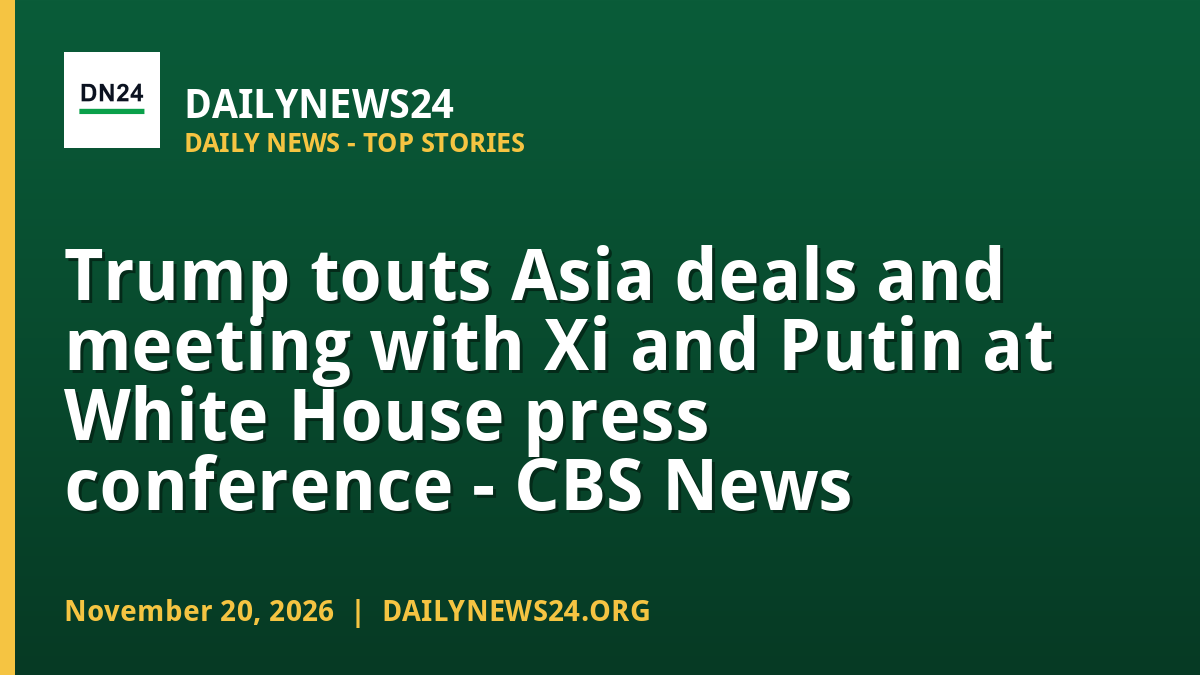
The White House press briefing represented a significant pivot in the administration's approach to international relations. Rather than adhering to the traditional multilateral frameworks that have defined U.S. foreign policy for decades, the focus was sharply narrowed to bilateral and trilateral engagements. This strategic reorientation reflects a broader philosophical shift within the executive branch, prioritizing direct, personal connections between heads of state over institutionalized diplomatic channels. The emphasis on personal relationships is not merely stylistic; it is a core component of the current administration's foreign policy doctrine, which argues that trust and negotiated deals are more effectively built through face-to-face interactions than through bureaucratic channels.
By specifically highlighting meetings with Chinese President Xi Jinping and Russian President Vladimir Putin, the administration is signaling an intent to engage directly with the world's two most significant geopolitical rivals. This move challenges the existing diplomatic order, which has often treated these nations as part of a broader coalition of adversarial or competing interests. Instead, the administration proposes a model where these leaders are treated as equal partners in a trilateral arrangement, effectively elevating their status on the global stage while potentially sidelining traditional allies and international organizations.
The Geometry of Power
Rebalancing Global Alliances
The implications of such a trilateral dynamic are profound for smaller nations and regional powers. Countries like Singapore, which have historically benefited from a balanced global order, may find themselves in a precarious position. The formation of a high-level dialogue between Washington, Beijing, and Moscow could marginalize middle powers that lack the leverage to influence major peace or trade deals directly. These nations may increasingly view the traditional U.S. alliance system as less reliable, as the focus shifts away from collective security arrangements toward exclusive, high-stakes negotiations among the biggest players.
This shift also raises questions about the role of international institutions like the United Nations. If major geopolitical issues are resolved through direct trilateral summits, the relevance of multilateral forums may diminish. Critics argue that this approach reduces transparency and accountability, as decisions made in closed-door settings between three leaders lack the oversight and deliberative processes inherent in larger diplomatic bodies. Proponents, however, contend that this efficiency allows for faster decision-making and more flexible diplomatic solutions in a rapidly changing geopolitical landscape.
Economic and Strategic Stakes
The economic dimensions of these proposed deals cannot be overlooked. The administration has long emphasized trade deficits and manufacturing rebalancing as key priorities. By engaging directly with Xi and Putin, the administration aims to negotiate comprehensive agreements that address not only security concerns but also trade terms, technology access, and resource supply chains. The potential for a coordinated approach to global economic governance could reshape international trade rules, potentially disadvantaging countries that do not have direct access to these high-level negotiations.
Furthermore, the security implications of a trilateral summit are complex. While direct dialogue can reduce the risk of miscalculation between major powers, it also risks normalizing cooperation between the U.S. and its adversaries on issues that may conflict with the interests of other global actors. The interplay between economic incentives and security guarantees will likely be a central theme in these negotiations, with each leader seeking to maximize their strategic advantage while maintaining plausible deniability on sensitive issues.
Domestic Political Calculus
For the American public, these diplomatic moves are closely tied to domestic policy outcomes. The administration frames these high-level meetings as efforts to bring jobs back to the United States and to secure favorable terms in global markets. The success or failure of these negotiations will be judged not just by the language of the communiqués but by tangible economic indicators such as trade balances, investment flows, and wage growth in key industrial sectors. Voters will be watching closely to see if the promised deals translate into real-world benefits for American workers and businesses.
However, there are also risks associated with this personalized diplomacy. Critics warn that relying too heavily on personal relationships can lead to inconsistent policy application and vulnerability to external manipulation. If the relationships between the leaders deteriorate, the lack of institutional backup could result in a sudden collapse of diplomatic channels. This fragility is a concern for policymakers who advocate for a more robust and resilient foreign policy infrastructure.
Regional Reactions and Uncertainties
Reactions from other global powers will be a crucial indicator of the viability of this new diplomatic approach. European allies, for instance, may feel sidelined if major security issues affecting the continent are discussed without their direct involvement. Similarly, Asian partners may reassess their reliance on U.S. security guarantees if they perceive the administration as prioritizing deals with Beijing over regional stability. The uncertainty surrounding these reactions adds a layer of complexity to the diplomatic landscape, as the administration navigates the fine line between pursuing new partnerships and maintaining existing alliances.
The coming months will be critical in determining whether this trilateral model can withstand the pressures of competing national interests. The success of these initiatives will depend on the ability of the three leaders to find common ground on a wide range of issues, from climate change to non-proliferation. As the world watches this unprecedented diplomatic experiment unfold, the implications for global stability and order remain uncertain but undeniably significant.
What Comes Next
In the immediate term, diplomats will be working to define the agenda for any formal trilateral summit. Key issues such as cybersecurity, intellectual property protection, and arms control are likely to be on the table. However, the willingness of Beijing and Moscow to engage in such a format suggests a recognition of the need for direct communication with Washington. As the administration pushes forward with its personalized diplomacy, the rest of the world will be adjusting its strategies to adapt to this new reality. For ordinary readers, the key takeaway is that the rules of global engagement are changing, and the outcomes of these high-stakes negotiations will have direct consequences for the global economy and security environment.