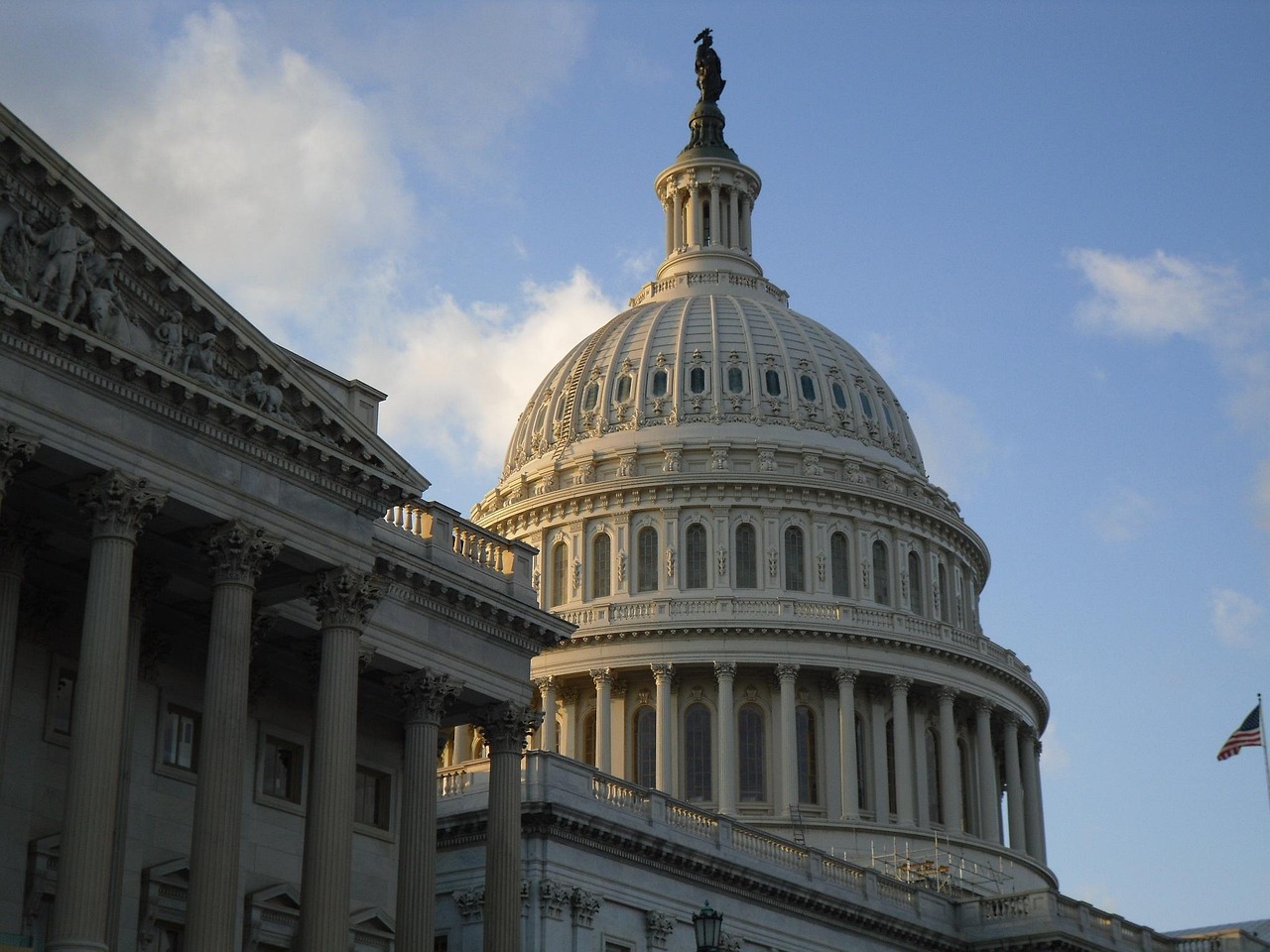
The Senate's Bold Move on Infrastructure
Washington is witnessing a significant shift in how the United States approaches the construction of critical infrastructure. The Senate has recently voted to advance a comprehensive energy bill that fundamentally alters the permitting process for large-scale projects. This legislation, viewed by proponents as a necessary step to modernize the nation’s energy grid and support the burgeoning artificial intelligence sector, marks a decisive break from the slow, often contentious regulatory hurdles that have plagued developers in recent years. The vote signals a clear political intent to prioritize speed and economic growth over the traditional, lengthy environmental review periods that have characterized infrastructure development for decades.
The bill, often referred to in legislative discussions as part of the broader build-america agenda, seeks to overhaul federal regulations that govern how companies secure approval for pipelines, power plants, and data centers. By streamlining these processes, the Senate aims to reduce the time and cost associated with bringing new energy capacity online. For ordinary readers, this means that the electricity powering their homes, offices, and digital devices may soon be supplemented by faster-deployed sources, potentially influencing both grid stability and energy prices in the near future.
Understanding the Permitting Bottleneck
To grasp the significance of this legislative action, it is essential to understand the current landscape of infrastructure approval. Historically, major construction projects in the United States have faced a labyrinth of federal, state, and local regulations. Environmental impact statements, public comment periods, and multiple agency reviews can extend the timeline for a single project by years, sometimes exceeding a decade. This bureaucratic friction has become a focal point for frustration among energy producers, technology giants, and policymakers who argue that the pace of change is no longer sufficient to meet modern demands.
The rise of artificial intelligence has exacerbated this urgency. Data centers, which require immense amounts of power and cooling, are becoming some of the largest consumers of electricity in the country. As tech companies race to build these facilities, the existing permitting framework is seen as a critical bottleneck. The new legislation attempts to address this by creating more predictable timelines and consolidating review processes, thereby reducing the uncertainty that often deters investment in large-scale infrastructure.
Key Provisions of the New Legislation
The bill introduces several specific mechanisms to accelerate project approvals. One of the most notable changes is the establishment of strict deadlines for federal agencies to complete environmental reviews. Previously, these agencies had broad discretion regarding the duration of their assessments, which often led to indefinite delays under the guise of thoroughness. Under the new rules, failure to meet these deadlines could result in automatic approval or legal consequences, forcing a faster pace of decision-making.
- Streamlined Environmental Reviews: The bill limits the scope of environmental impact assessments, focusing on major impacts while reducing the burden of analyzing every minor detail.
- Consolidated Permitting: It seeks to unify multiple federal permits into a single, coordinated process to avoid redundant reviews by different agencies.
- Legal Protections for Developers: The legislation includes provisions to limit litigation challenges to environmental reviews, aiming to reduce the number of court cases that can stall projects for years.
These changes are designed to create a more efficient pathway from proposal to construction. By reducing the administrative overhead, the bill hopes to attract more private sector investment into the energy sector, particularly in renewable sources and natural gas, which are currently viewed as essential bridges to a more sustainable future.
The Role of Artificial Intelligence in Driving Policy
The intersection of technology and energy policy has never been more pronounced. The explosive growth of AI models and the data centers that house them has transformed the energy sector from a purely utility-focused industry into a critical component of the digital economy. Technology companies, which are some of the largest industrial electricity consumers, have lobbied heavily for regulatory reforms that guarantee reliable and affordable power supply. Their influence has been instrumental in shaping the narrative around this legislation, framing permitting reform not just as an environmental or industrial issue, but as a matter of national competitiveness.
Supporters argue that without these reforms, the United States risks falling behind other nations that have adopted more flexible regulatory frameworks. The ability to quickly deploy new data centers is seen as a strategic advantage in the global race for AI dominance. Therefore, the bill is positioned as a vital tool for maintaining American leadership in both technology and energy. For voters, this translates into a promise of a more robust and resilient digital infrastructure, although it also raises questions about the environmental costs of such rapid expansion.
Contending Perspectives and Opposition
Despite the bipartisan support for the bill in the Senate, the move has not been without controversy. Environmental groups have raised serious alarms, arguing that the streamlined processes could lead to inadequate scrutiny of environmental impacts. Critics contend that by compressing review timelines and limiting legal challenges, the legislation prioritizes corporate interests over ecological protection. They warn that rushed approvals could result in significant harm to local ecosystems, water quality, and air quality, burdens that often fall disproportionately on vulnerable communities.
Some Democratic lawmakers, while generally supportive of energy development, have expressed concern about the scale of the regulatory rollback. They argue that a balanced approach is needed to ensure that economic growth does not come at the expense of long-term sustainability. The debate highlights a fundamental tension in modern American politics: the desire for rapid economic and technological progress versus the imperative to protect the natural environment. This tension is likely to shape the ongoing discussions as the bill moves through the remaining legislative steps.
Implications for Energy Prices and Grid Stability
One of the most tangible effects of this legislation could be on energy prices. By accelerating the deployment of new generation capacity, the bill aims to increase the overall supply of electricity. In an environment where demand is growing rapidly due to electrification and AI workload, a faster increase in supply could help keep prices stable or even reduce them. Conversely, if the reforms lead to a construction boom, initial costs might be higher, but long-term savings are expected as economies of scale are achieved.
Grid stability is another critical consideration. The modern power grid is under strain from both increased demand and the variability of renewable energy sources. New infrastructure, including batteries and flexible gas plants, is essential for balancing the load. By removing barriers to these projects, the Senate hopes to enhance the reliability of the grid, preventing outages and ensuring consistent power supply for households and businesses. This aspect of the bill is particularly relevant for regions that have experienced recent power shortages or blackouts.
Outlook: What to Watch Next
As the bill moves toward final passage, several key developments will determine its ultimate impact. First, the House of Representatives will need to adopt similar measures, which may involve further negotiations and potential modifications. The political dynamics in the House, with its different composition and priorities, could significantly alter the final text of the legislation. Second, the implementation details will be crucial. How federal agencies interpret and enforce the new deadlines and review scopes will determine whether the promised speedups are realized in practice.
Finally, the public response and potential legal challenges will play a significant role. Environmental groups are likely to file lawsuits against specific projects approved under the new framework, testing the limits of the legal protections included in the bill. The outcome of these legal battles will provide early indications of the bill’s effectiveness and the balance between speed and scrutiny. For readers, the coming months will offer a clear view of whether this legislative shift delivers on its promise of a faster, more efficient energy infrastructure or if it opens the door to unintended environmental consequences.