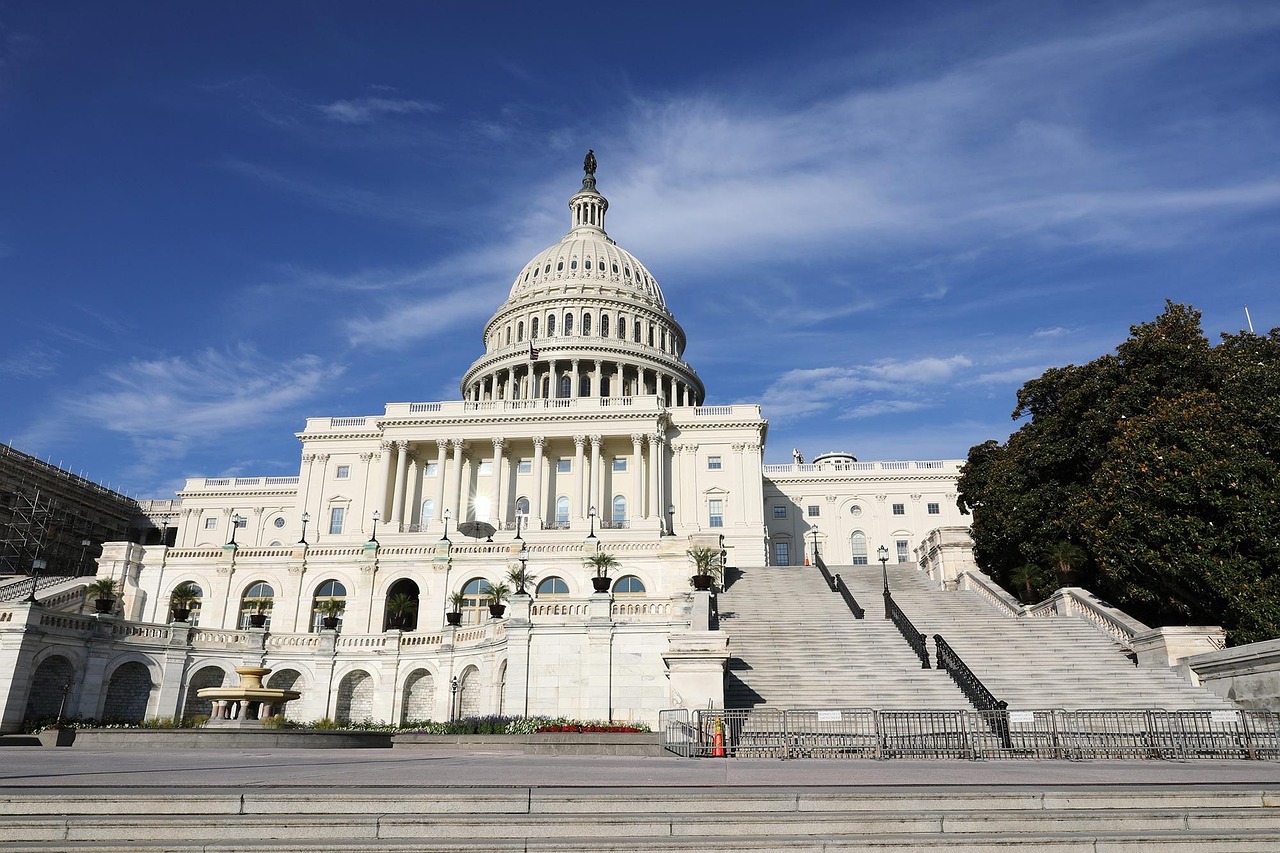
The United States Senate has taken a decisive step toward overhauling one of the most complex and criticized aspects of American infrastructure policy: the federal permitting process. By voting to advance the Better Utilization of Vital Infrastructure and Development for America, or BAAJA, bill, lawmakers have greenlit a framework designed to drastically reduce the time required to build critical energy projects. This legislative move is not merely a procedural tweak; it represents the most significant restructuring of energy permitting rules in decades, aimed at addressing the severe delays that have plagued renewable energy deployment in recent years.
The Core of the Permitting Overhaul
The primary objective of the BAAJA bill is to modernize and simplify the environmental review process. Historically, large-scale energy projects, such as wind farms, solar installations, and high-voltage transmission lines, have faced a bureaucratic labyrinth. These projects often require multiple permits from different federal agencies, each with its own set of environmental impact assessment requirements. The new legislation introduces a unified permitting mechanism, often referred to as a single-agency oversight, which consolidates these reviews into one coordinated process. By streamlining this workflow, the bill aims to cut the average permitting time from several years to a much shorter window, potentially under 18 months for many major projects.
Why Speed Matters for the Grid
The urgency behind this legislative push is driven by the growing demand for electricity. As the nation transitions away from fossil fuels, the need for new transmission infrastructure to transport renewable energy from remote generation sites to urban centers has become acute. Current processes are so slow that projects are often approved just as technology costs have fallen or resource windows have shifted. By accelerating approval timelines, the government hopes to keep pace with the energy transition and prevent grid bottlenecks that could stall clean energy adoption.
Support from the Energy and Tech Sectors
The energy sector, including both traditional utilities and renewable developers, has largely supported the BAAJA advancements. Industry leaders argue that the current permitting regime is a primary barrier to investment. The bill’s backers point out that uncertainty in timelines makes long-term capital investment risky. For tech companies and data centers, which require massive amounts of consistent power, faster permitting is crucial for maintaining competitiveness. The alignment of political will and economic interest has created a coalition that previously seemed unlikely, uniting various factions within the energy industry around the need for regulatory efficiency.
- Renewable developers aim to secure land and financing faster.
- Utility companies seek to upgrade aging grids without indefinite delays.
- Technology sectors require reliable power infrastructure for data centers.
Environmental Concerns and Criticisms
While proponents view the bill as a necessary modernization, environmental groups and some members of Congress have raised substantial concerns. Critics argue that the streamlining process may compromise the rigorous environmental protections established by decades of legislation. Organizations such as the Center for Biological Diversity have voiced strong opposition, warning that the bill could lead to what they describe as an environmental catastrophe. Their primary fear is that by consolidating reviews and setting strict deadlines, the agencies may lack the time or authority to fully assess the impacts on wildlife, water quality, and air pollution. They contend that the pressure to move quickly could result in insufficient mitigation measures for sensitive ecosystems.
The Debate Over Public Comment
A specific point of contention is the handling of public comment and community input. Under previous rules, stakeholders had extensive periods to review environmental impact statements and provide feedback. The new framework seeks to limit the duration of these public comment periods. Supporters argue that this prevents bad-faith delays and focuses the review on material issues. Opponents, however, believe this shrinks the window for local communities and indigenous groups to voice concerns about potential harm to their lands and resources, effectively prioritizing project speed over democratic participation in environmental decision-making.
Political Dynamics and Legislative Path
The passage of BAAJA in the Senate highlights a complex political landscape. It was backed by a bipartisan coalition, though with varying motivations. Democrats generally supported the bill as a key component of their broader clean energy agenda, viewing faster transmission as essential for hitting climate targets. Republicans, many of whom had previously resisted clean energy initiatives, found a path to supporting the bill by framing it as infrastructure efficiency and energy security rather than climate policy. This bipartisan support was crucial for the bill’s survival in a divided Congress. The vote itself was a signal that both parties recognize the existing permitting system is broken, even if they disagree on the optimal balance between speed and protection.
Implications for Ordinary Readers and Local Communities
For ordinary citizens, the impact of BAAJA will be felt in several tangible ways. First, the accelerated development of energy projects could lead to lower electricity costs over time by increasing the supply of clean energy and reducing grid congestion. Second, local communities near proposed projects may experience a faster onset of construction-related impacts, such as noise and traffic, as well as quicker access to new infrastructure. The speed at which these projects move from proposal to construction will likely increase public engagement and conflict in local areas, as residents and developers navigate the new, compressed timelines for review and comment.
Changes in Project Approvals
Local governments and regional authorities may find their roles in the permitting process altered. While the bill primarily targets federal land and federal permits, the effects will ripple down to state and local levels. Communities may see more projects reaching the construction phase sooner, requiring them to adapt their land use planning and community engagement strategies to match the new federal pace. This shift requires local officials to be more prepared for detailed project reviews and potential disputes.
What to Watch Next
As the BAAJA bill proceeds through the legislative process, several key developments will determine its ultimate shape and effectiveness. The first area to watch is the House of Representatives’ response. While the Senate has advanced its version, the House may seek amendments that either strengthen environmental safeguards or further loosen regulatory constraints. The reconciliation of differences between the two chambers will be critical to ensuring the bill can become law. Additionally, the implementation details will be closely monitored. The bill mandates specific timelines and reporting requirements for federal agencies, and how these agencies choose to interpret and enforce these new rules will shape the real-world outcome.
Furthermore, the legal challenges are expected to be immediate. Environmental groups have already signaled plans to litigate against specific project approvals if they believe the environmental reviews were insufficient under the new framework. The outcome of these early court cases will set important precedents for how the BAAJA provisions are applied. For readers, the coming months will offer a clear view of whether this historic reform delivers on its promise of faster, cleaner energy or if it prioritizes speed at the expense of necessary environmental stewardship. The balance struck in the final legislation and its enforcement will define the trajectory of America’s energy infrastructure for the next decade.