The Verdict Delivered
After weeks of intense legal proceedings, a federal jury has reached a verdict in the high-profile case of Jonathan Rinderknecht, finding him guilty of arson. This decision concludes the second attempt to secure a conviction for the man accused of sparking one of California's most destructive and deadly wildfires. The outcome represents a significant legal turning point, offering a measure of closure for a community still grappling with the aftermath of the disaster. For many residents of the Palisades and surrounding areas, this verdict validates their long-held beliefs about the cause of the blaze. It signals that the justice system, despite earlier setbacks, has finally held an individual accountable for the catastrophic loss of life and property.
The trial itself was a complex undertaking, requiring jurors to weigh forensic evidence against the defendant's defense. The atmosphere in the courtroom was heavy with the weight of the community's grief. As the jury announced its findings, the legal team for the defense immediately signaled an intent to appeal, suggesting that the fight over liability is far from over. However, the initial conviction stands as a severe blow to the defendant's efforts to clear his name. It resets the narrative around the wildfire, shifting focus from procedural doubts to the tangible consequences of the accused's actions.
Background of the Devastating Blaze
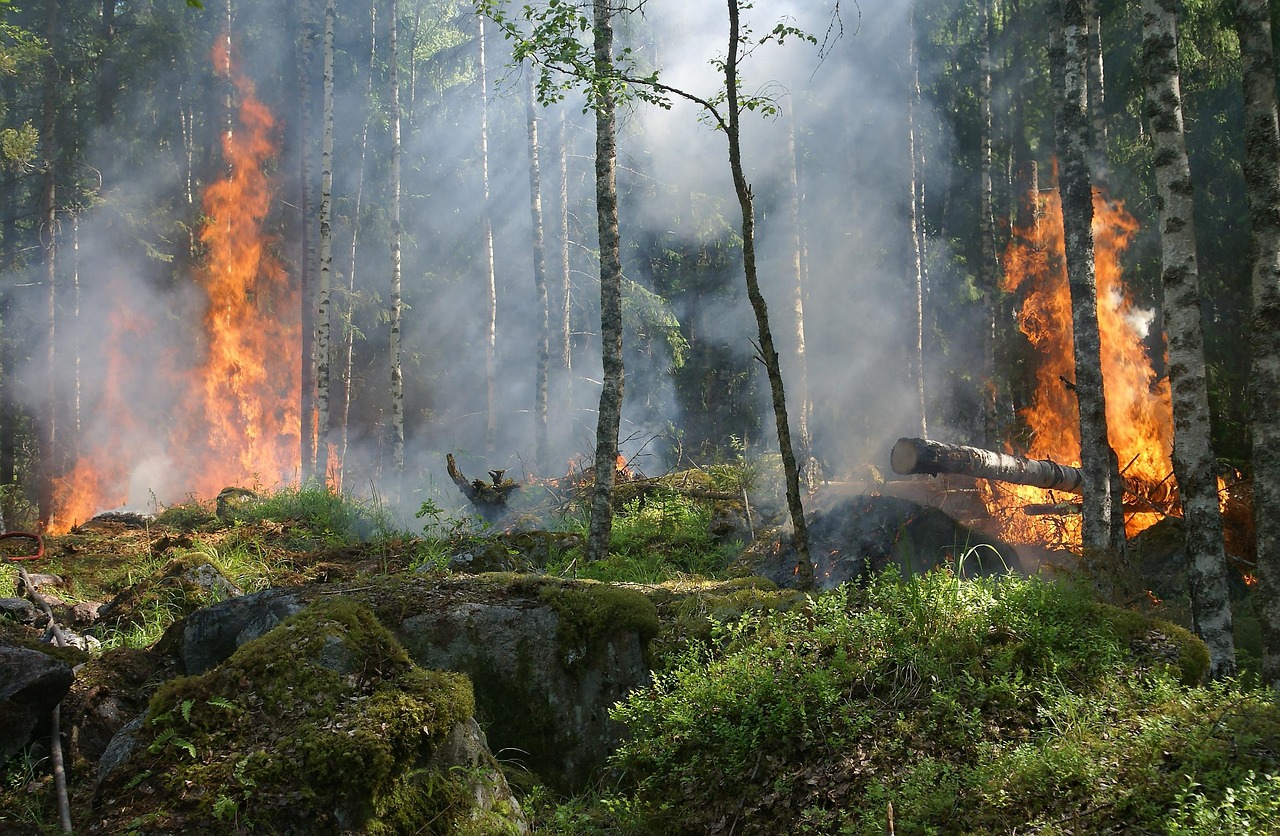
To understand the magnitude of this conviction, one must look back at the events that triggered the crisis. The Palisades wildfire erupted in a region known for its extreme vulnerability to fire due to dense vegetation and unique wind patterns. The fire spread with terrifying speed, consuming homes, businesses, and historic landmarks in a matter of hours. For ordinary residents, the experience was one of pure terror and chaos, with evacuation orders issued in a frenzy that left many stranded or confused. The speed of the fire's progression overwhelmed local emergency services, highlighting gaps in preparedness that have since been subjects of intense public debate.
The human cost of the wildfire was staggering. Dozens of lives were lost, and thousands more were displaced, forced to leave their homes with little more than the clothes on their back. The economic impact was equally severe, with billions of dollars in property damage reported across the affected zones. This scale of destruction placed immense pressure on state and federal authorities to identify the cause and hold those responsible. The lack of an immediate, clear answer in the early days fueled speculation and frustration among the affected communities, making the eventual legal resolution all the more critical.
Why the Location Matters
The geography of the Palisades played a crucial role in the fire's behavior. The steep slopes and dry conditions created a perfect environment for rapid fire spread. Wind currents, often referred to locally as 'Santa Ana' winds, further exacerbated the situation, pushing flames toward residential areas with little warning. This environmental context is essential for understanding how a single point of ignition could lead to such widespread devastation. It underscores the fragility of coastal communities in the face of climate-driven weather patterns and emphasizes the need for robust mitigation strategies.
The Legal Struggle: First Trial and Mistrial
The path to this conviction was not straightforward. The initial trial ended in a hung jury, a result that left the case in limbo and raised questions about the sufficiency of the evidence. A mistrial is a rare outcome in federal arson cases, indicating that the prosecution's case, while strong, may have had gaps that the defense successfully exploited. This outcome forced prosecutors to reassess their strategy and prepare for a retrial, a process that involves not only legal adjustments but also significant logistical planning. The delay between the first trial and the retrial allowed for more time to gather evidence and consult with experts, potentially strengthening the case for the second attempt.
During the interim period, public sentiment remained charged. Advocates for the victims pushed for swift justice, while civil liberties groups watched closely for any signs of prosecutorial overreach. The retrial became a national spectacle, drawing media attention and scrutiny from legal experts. The stakes were high, as a successful conviction would not only punish the defendant but also serve as a precedent for similar cases involving natural disasters with human elements. The legal teams from both sides knew that the outcome would have far-reaching implications for how such cases are handled in the future.
Key Facts and Forensic Evidence
The prosecution's case relied heavily on forensic evidence, including fire patterns, ignition sources, and digital data. Experts testified to the specifics of how the fire started, presenting a narrative that linked the defendant directly to the blaze. This technical evidence was central to the jury's deliberations, providing a scientific basis for the legal claims. The defense, on the other hand, focused on challenging the reliability of these findings and questioning the motive behind the accused's actions. The juxtaposition of these arguments created a complex legal landscape where scientific interpretation played a decisive role.
- Forensic Analysis: Detailed examinations of the fire's origin point were presented to establish the method of ignition.
- Digital Footprint: Evidence from communication devices and location data was used to place the defendant near the scene.
- Witness Testimony: Accounts from first responders and community members helped paint a picture of the events leading up to the outbreak.
These elements combined to form a cohesive narrative that the jury ultimately found persuasive. The clarity of the evidence in the retrial, compared to the first trial, suggests that the prosecution effectively addressed the initial areas of uncertainty. This progression highlights the importance of thorough case preparation and the ability to adapt legal strategies in response to previous outcomes.
Community Impact and Emotional Toll
For the residents of the Palisades, the verdict brings a mix of emotions. While there is relief at seeing the legal process conclude, the underlying trauma of the event remains. The community has been divided, with some advocating for harsher penalties and others calling for compassion given the broader context of the disaster. This emotional complexity reflects the deeper societal tensions surrounding climate change, urban development, and public safety. The conviction does not erase the loss, but it provides a framework for accountability that many feel was missing in the immediate aftermath of the fire.
Local organizations and support groups have played a vital role in helping residents cope with the ongoing effects of the wildfire. These groups provide not only emotional support but also practical assistance with insurance claims and relocation efforts. The legal outcome may influence the funding and resources allocated to these initiatives, as federal attention often follows major legal verdicts. For ordinary readers, this case serves as a reminder of the interconnectedness of legal, environmental, and social issues in the modern era.
Implications for Public Policy
The conviction of Jonathan Rinderknecht is likely to have broader implications for public policy in California. Lawmakers may use this case to argue for stricter regulations on land use and fire prevention in vulnerable areas. There is growing pressure to implement more rigorous building codes and vegetation management programs to mitigate the risk of future wildfires. The legal precedent set by this trial could also influence how insurance companies assess risk in high-fire-probability zones, potentially affecting premiums for homeowners in similar regions.
Furthermore, the case highlights the need for better coordination between local, state, and federal agencies in responding to large-scale disasters. The challenges faced during the Palisades fire exposed gaps in communication and resource allocation that need to be addressed. By examining the legal and operational failures, policymakers can work toward creating a more resilient system capable of handling similar emergencies in the future. This systemic approach is essential for reducing the impact of future wildfires on communities.
What to Watch Next
As the legal process moves forward, several key developments will determine the final outcome of this case. The defense has already indicated its intention to appeal, which could extend the timeline for resolution by several years. appellate courts will need to review the lower court's handling of evidence and jury instructions, a process that can be lengthy and detailed. In the meantime, sentencing proceedings will take place, where the judge will consider the severity of the crime and the impact on the victims when determining the appropriate punishment.
Public attention will also remain focused on the broader environmental policies being debated at the state level. Advocacy groups are likely to use this case to push for more aggressive climate action and infrastructure investments. For now, the community awaits the next chapter in a story that has already left a profound mark on California's history. The verdict is a significant step toward justice, but the road to full recovery and systemic change remains long and uncertain.