The Immediate Aftermath in Krakow
The streets of Krakow, a historic city famous for its medieval architecture and vibrant tourist culture, were thrown into unprecedented turmoil following a violent mass shooting. The incident, which unfolded with shocking speed, left six people dead and at least eleven others wounded, including critical casualties among law enforcement personnel. For the citizens of Poland and visitors from across Europe, the event marked a disturbing rupture in the general sense of safety that typically characterizes the region's major cultural hubs.
As emergency services rushed to the scene, the atmosphere was one of total chaos. Witnesses reported hearing multiple gunshots, with reports indicating the suspect fired from a moving vehicle, a tactic that added a layer of complexity to the initial containment efforts by police. The immediate response required rapid coordination between paramedics, police units, and local medical facilities. In the midst of this disarray, one specific medical intervention stands out as a potential turning point in the survival of one of the injured officers.
A Civilian Surgeon’s Critical Intervention
Beyond the Standard Protocol
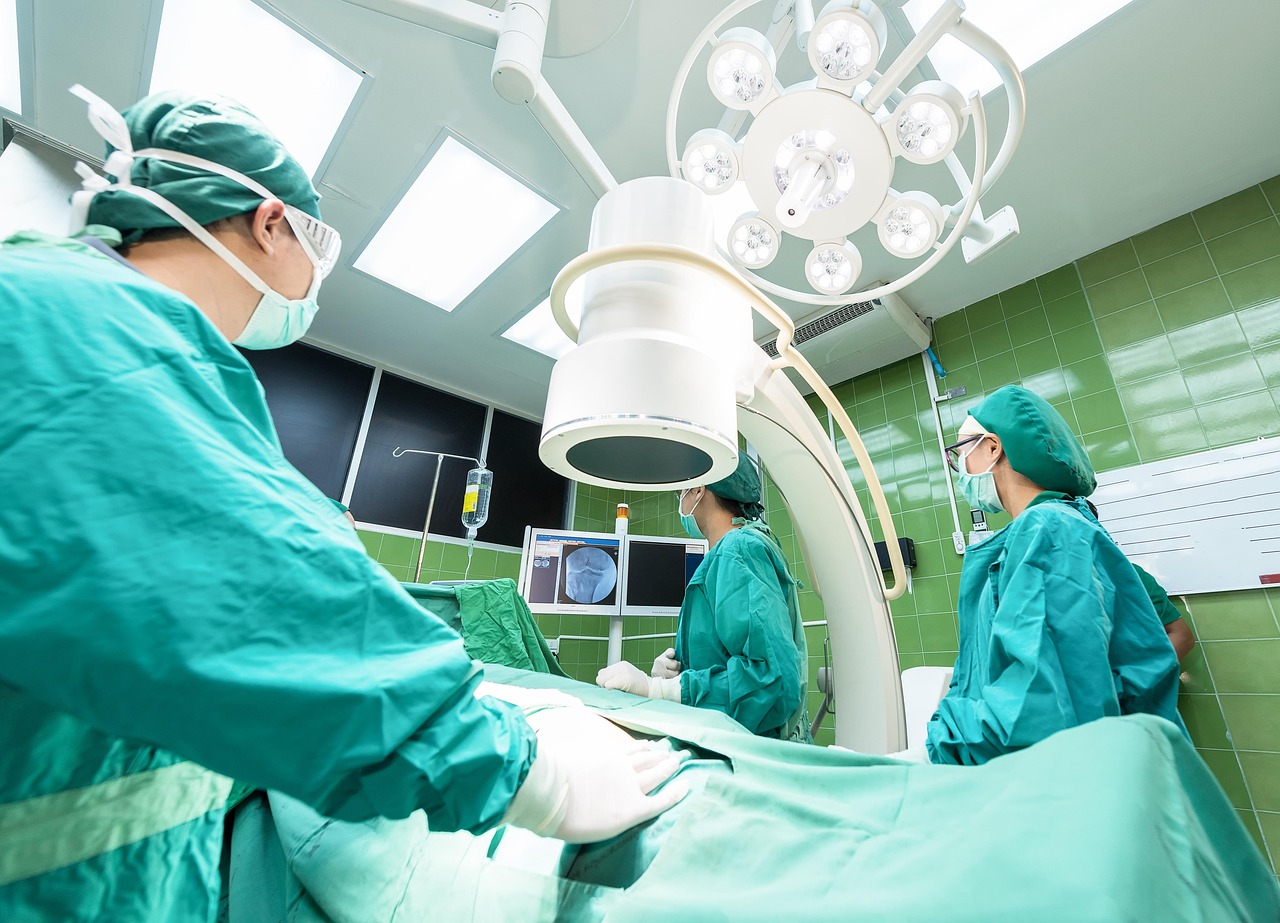
While paramedics are trained to stabilize patients for transport, the severity of the police officer’s wounds necessitated immediate surgical intervention that exceeded standard pre-hospital care capabilities. A civilian surgeon, who happened to be present at the scene or in the immediate vicinity, stepped in to assist the wounded officer. This act of emergency medicine under fire highlights the unpredictable nature of mass casualty events and the vital role that medical professionals in civilian life can play.
Reports indicate that the surgeon’s actions were decisive. Medical officials later stated that the officer’s life was undoubtedly saved due to this immediate, on-scene surgical assistance. The difference between survival and death in such cases often comes down to minutes. By addressing critical internal injuries before the officer could be transported to a hospital, the surgeon likely prevented fatal blood loss or organ damage that would have been irreversible in the ambulance.
The Context of Rising Security Fears
Shifting Perceptions in Europe
The Krakow shooting has reignited discussions about public security in Poland and across Europe. In recent years, the continent has grappled with a series of high-profile attacks that have challenged long-held assumptions about safety in urban centers. The involvement of a moving vehicle as a weapon platform adds a new dimension to the threat landscape, suggesting that perpetrators may be employing tactics designed to maximize chaos and evade rapid apprehension.
Polish authorities have launched a thorough investigation into the incident, with initial probes exploring various angles, including potential links to terrorism. While no definitive classification of the motive has been universally confirmed, the seriousness of the inquiry reflects the government's desire to understand all possible vectors of threat. For ordinary citizens, the event serves as a stark reminder that security is not a static state but a dynamic challenge that requires constant vigilance and adaptive policing strategies.
Honoring the Heroes: The Police Response
Two police officers involved in the initial confrontation with the gunman are being hailed as heroes by the public and official figures alike. Their bravery in engaging the threat directly, despite the risks to their own safety, likely prevented further casualties. The fact that one of these officers survived, thanks in part to the civilian surgeon’s help, adds a layer of triumph to an otherwise tragic narrative. It underscores the collaborative nature of emergency response, where law enforcement and medical professionals work in tandem under immense pressure.
- Heroic Engagement: Officers acted swiftly to neutralize the threat.
- Civilian Assistance: A surgeon provided critical on-site medical care.
- Public Reaction: Widespread mourning mixed with appreciation for responders.
This combination of police valor and medical expertise offers a glimmer of hope amidst the grief. It suggests that even in the face of deliberate violence, the collective response of a society can mitigate the worst outcomes. The narrative of survival is not just about the individual officer, but about the systems and people that worked together to keep him alive.
Implications for Medical Emergency Protocols
Learning from the Event
The incident raises important questions about the preparedness of medical teams for mass casualty events where traditional hospital chains of care are disrupted. The success of the civilian surgeon’s intervention suggests that there may be value in integrating specialized medical professionals into rapid response teams or ensuring they are more readily accessible in high-risk areas. This could involve better communication channels between hospitals and emergency command centers, allowing for the immediate deployment of surgeons to scenes where trauma is severe.
Furthermore, the event highlights the need for robust training in trauma care for all emergency responders, not just doctors. While paramedics are highly skilled, the specific surgical needs of certain injuries may require specialized equipment or expertise that is not always available in the field. The Krakow case demonstrates that when such expertise is present, the outcomes can be dramatically improved. This could lead to policy changes regarding the allocation of medical resources during public emergencies.
The Broader National and International Impact
Nationally, the shooting has prompted a deeper introspection about the resilience of Polish society. The country is currently navigating complex geopolitical and domestic challenges, and the addition of a violent internal threat complicates the national discourse. Internationally, the incident has drawn attention from European partners, who are likely to share intelligence and best practices for counter-terrorism and public safety. The unified response from the global community, including statements of solidarity from various foreign leaders, underscores the interconnected nature of security in the modern world.
For tourists and international observers, the event may temporarily influence travel patterns, though authorities have emphasized that the city remains open and safe. However, the psychological impact on residents and visitors cannot be understated. The trauma of being a witness to such violence has long-lasting effects, and mental health support services are expected to see a significant increase in demand in the coming weeks and months.
Outlook: What to Watch Next
As the investigation continues, several key developments will shape the future trajectory of this story. First, the official determination of the shooter’s motive will clarify whether this was an isolated act of violence or part of a larger ideological movement. This classification will have profound implications for future security protocols and public perception of risk. Second, the legal proceedings against any accomplices or the shooter, if captured, will draw significant media attention and may lead to broader debates about justice and reconciliation.
Additionally, the recovery of the surviving police officer will be closely monitored. His condition serves as a symbol of the resilience of the emergency services. Finally, the political response, including any legislative changes proposed in response to the shooting, will be a focal point for public debate. Citizens are likely to demand accountability and concrete actions to prevent such incidents from recurring, placing significant pressure on government officials to deliver tangible results.