A Unusual Fracture in the Party
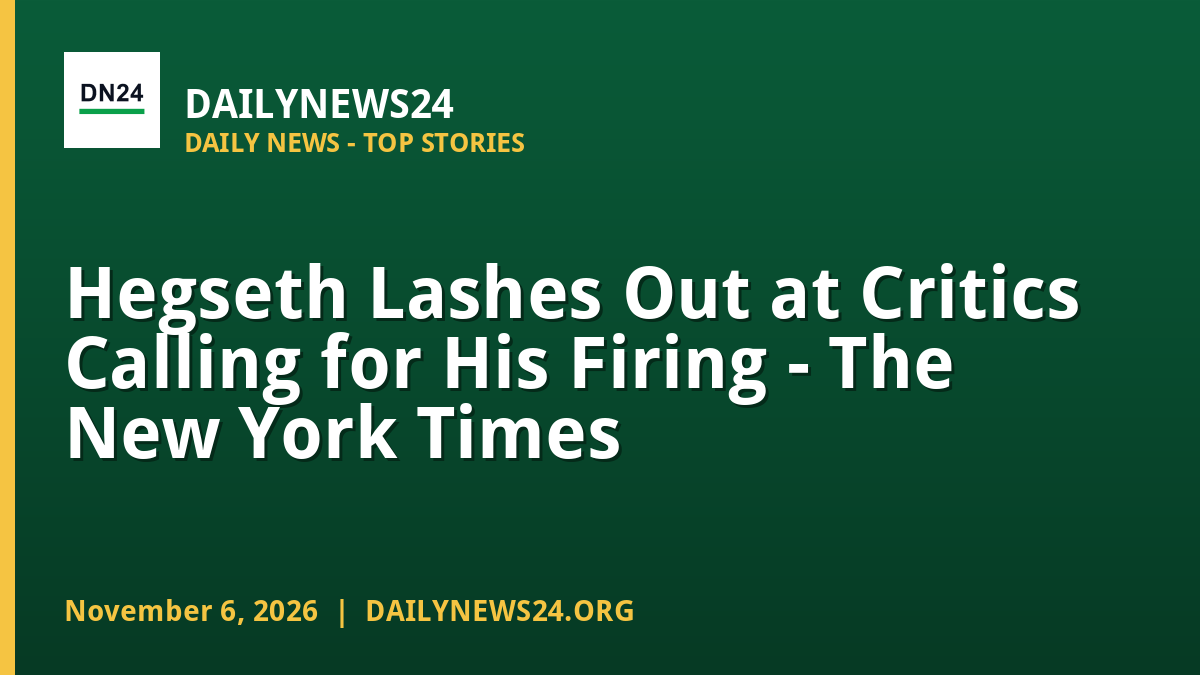
The political landscape in Washington is shifting rapidly, marked by an unprecedented level of internal conflict within the Republican Party. Defense Secretary Pete Hegseth, once a firm ally of the White House, has become the focal point of intense scrutiny following the recent midterm elections. The defeat suffered by the party in Congress has triggered a wave of accountability, with many lawmakers and strategists pointing directly at the administration’s chaotic management style as a primary cause for their electoral stumble.
This is not merely a routine political disagreement. It represents a deepening rift between the ideological base of the party and the pragmatic realities of governance. Hegseth’s position is now precarious, as he faces pressure not just from Democrats, but increasingly from his own colleagues. The suggestion that he could be removed from office is no longer a fringe idea but a serious conversation taking place in closed-door meetings and public statements alike.
The 'Fight, Fight, Fight' Incident
At the center of the storm is a viral video featuring Hegseth engaging in what critics describe as an aggressive confrontation. The clip, which has circulated widely across social media platforms, shows the Secretary adopting a combative posture, using the phrase 'fight, fight, fight' in a manner that undermines the dignity of the office.
For many observers, this moment crystallized a broader concern about the administration’s tone. In a country still grappling with the aftermath of the January 6th Capitol riot, any display of unchecked aggression from a high-ranking official is viewed with extreme sensitivity. The video became a symbol of a perceived drift toward authoritarianism, providing ammunition for opponents who argue that the administration lacks the temperament required for national security leadership.
- The video sparked immediate outrage among moderate Republicans.
- Media analysis highlighted the disconnect between the Secretary's demeanor and the needs of stable diplomacy.
- Opponents used the clip to question his judgment and leadership capabilities.
Midterm Losses and Political Liability
The midterm elections served as the critical catalyst for this crisis. The Republican Party’s failure to maintain or expand its majority in Congress has led to a post-mortem analysis of internal strategies. Many within the party believe that the administration's controversial actions, including those by Hegseth, alienated key voter demographics.
Specifically, there is concern that the administration’s focus on culture wars and internal party loyalty over substantive policy goals deterred independent voters. Hedge's role in mobilizing the base has been questioned, with critics arguing that his rhetoric exacerbated polarization rather than broadening the party's appeal. The loss of seats in both chambers has handed Democrats a powerful tool for oversight, making the administration more vulnerable to legislative attacks.
Emerging Threats of Impeachment
In response to the electoral defeat, a faction of anti-Trump Republican lawmakers has begun to organize a formal challenge to Hegseth’s tenure. While historically, impeachment has been a tool used by the opposing party, the current dynamics are unique. These lawmakers are threatening to initiate impeachment proceedings unless Hegseth voluntarily steps down.
This move signifies a breaking point. It suggests that a segment of the Republican establishment is willing to risk a rift with the President to protect the party’s image and institutional credibility. The threat of impeachment is not just a political gesture; it raises the legal and procedural bar, forcing a detailed examination of Hegseth’s conduct and decisions. Such a move could set a dangerous precedent for future administrations, blurring the lines between political opposition and constitutional accountability.
President Trump’s Hesitant Calculation
President Trump is reportedly weighing whether to keep Hegseth in the role or replace him to appease the broader party base. Sources indicate that the President is consulting with key advisers to assess the potential fallout of either decision. Removing Hegseth could be seen as a concession to critics, potentially weakening the President’s control over the party’s militant wing. However, keeping him entails the risk of further alienating moderates and empowering Democratic oversight efforts.
Trump’s decision will likely hinge on his broader political strategy for the remainder of his term. If he aims to consolidate power, he may view Hegseth as a loyalist worth protecting. Conversely, if he prioritizes legislative cooperation with the new Congress, he may seek a more diplomatic figure to lead the Defense Department. This internal deliberation highlights the complex balancing act required to maintain both party unity and governmental effectiveness.
Implications for National Security Policy
Beyond the political maneuvering, the stability of the Defense Department is a matter of significant concern for national security. Hegseth’s tenure has been marked by frequent policy shifts and personnel changes, creating uncertainty among military leadership and international allies. Doctrines and strategic plans may shift direction abruptly based on the political winds in Washington.
For ordinary Americans, this instability raises questions about the reliability of the military’s protective capabilities. Consistent leadership is crucial for maintaining readiness and diplomatic credibility. The ongoing fight over Hegseth’s position risks distracting from critical defense matters, such as budget allocations, emerging threats from rival powers, and the well-being of active-duty service members. The politicization of the defense portfolio threatens the professionalism and neutrality that the military institution traditionally embodies.
Outlook: What to Watch Next
In the coming weeks, several key developments will determine the trajectory of this crisis. First, watch for any formal introduction of impeachment resolutions by Republican lawmakers. The speed and number of such filings will indicate the depth of the discontent within the party. Second, observe any public statements from President Trump regarding Hegseth’s future. A change in tone or a specific endorsement will signal his final decision.
Additionally, the reaction from the military establishment and international partners will be telling. If allies express concern over the direction of U.S. defense policy, it may pressure the administration to seek a compromise. The situation remains fluid, with the potential for a rapid resolution or a prolonged political battle. For readers, this episode serves as a reminder of how closely tied executive leadership is to electoral outcomes and internal party dynamics. The outcome will likely shape the balance of power in Washington for years to come.