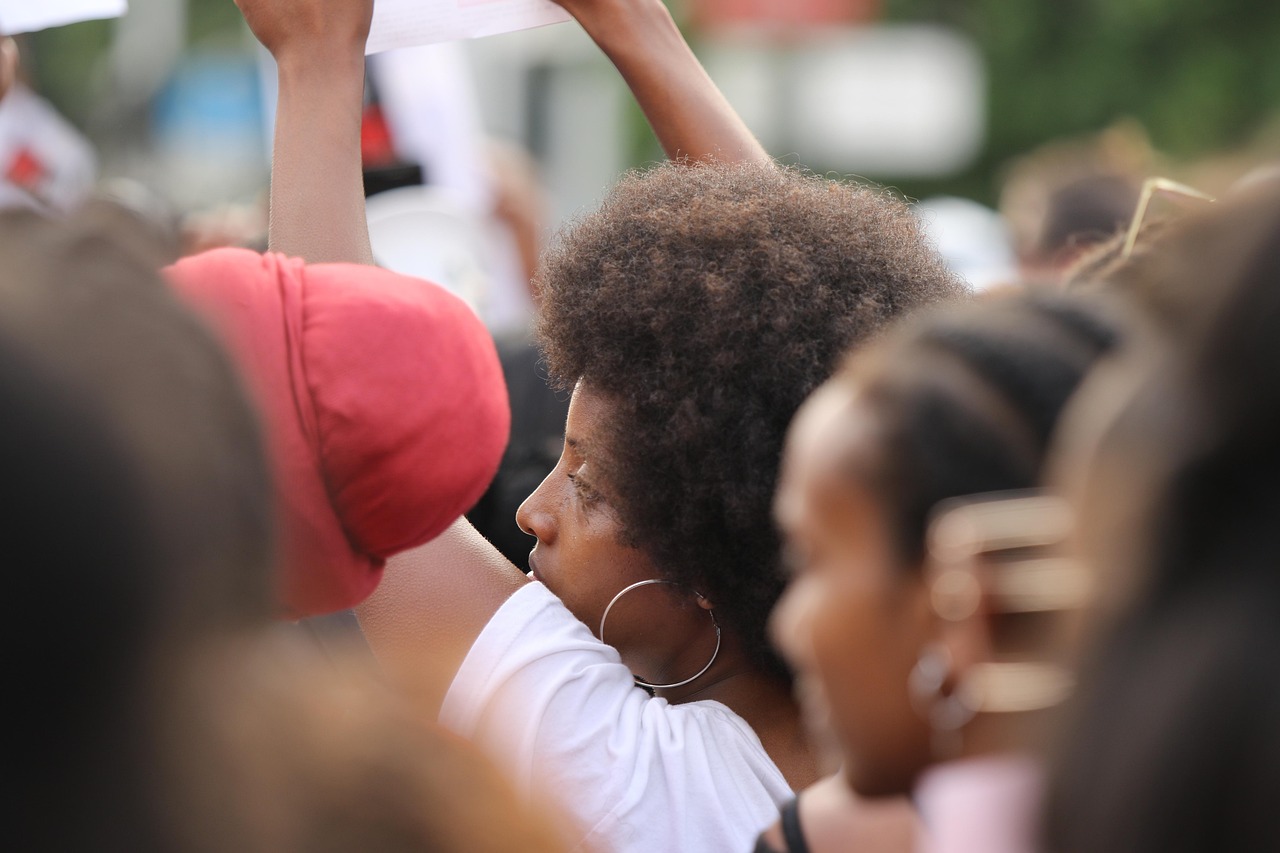
A Coordinated Wave of Student Protest
Across the United States, a significant shift has occurred in how students and faculty address the persistent crisis of sexual violence on university campuses. Recent events, prominently featuring the "Take Back the Night" movement, have transformed isolated complaints into a synchronized national demand for institutional accountability. This is not merely a series of isolated rallies; it represents a maturing strategy where student bodies are leveraging collective visibility to force administrative responses. The movement has gained particular traction following high-profile cases that exposed the inadequacies of existing grievance processes, prompting students to take their grievances public rather than relying solely on internal university mechanisms.
The timing of these gatherings, often scheduled for late October, aligns with the broader cultural reckoning surrounding gender-based violence. By coordinating efforts, campuses are creating a narrative of unity that is difficult for university administrators to ignore. The energy on the ground is palpable, with thousands of participants marching, holding candles, and chanting slogans that highlight the urgency of the issue. For ordinary readers, this signals a change in the social contract between students and the institutions they support, where silence is no longer an acceptable response to harm.
The Cornell Precedent and Spark of National Action
From One Case to a Movement
At the heart of this current surge is the ongoing fallout from the Cornell University rape case, which has become a focal point for national discourse. The incident, which involved a prominent student athlete, triggered a series of protests not just in Ithaca, New York, but in connected cities like Clarksville, where local communities organized "We Are Jane" rallies. These gatherings served as a stand-in for the survivors, allowing supporters to voice anger over what many perceived as a lenient disciplinary response compared to criminal trial outcomes.
The specificity of the Cornell case matters because it illustrated a recurring gap in American higher education: the disconnect between criminal justice findings and university disciplinary actions. Students argued that the university's handling of the case failed to provide justice or deterrence. This frustration has been shared widely through social media, amplifying the message and encouraging other institutions to re-evaluate their own policies. The Clarksville protest, in particular, demonstrated how local communities can mobilize in solidarity with distant campus events, showing that the impact of these incidents extends far beyond the university gates.
Understanding the 'Take Back the Night' Framework
The "Take Back the Night" concept is not new, but its recent application has evolved. Originally a simple awareness walk, it has become a multi-faceted campaign that includes legal advocacy, mental health support, and political lobbying. The OOH (Out of Home) media campaigns targeting campus sexual violence, such as those noted in recent industry reports, further solidify the message in public spaces. These campaigns use billboards and digital ads to remind the broader public that student safety is a societal issue, not just an internal administrative matter.
For administrators, this dual-track approach presents a challenge. They are not just dealing with student petitions but with a public relations crisis that can affect enrollment and donor confidence. The movement effectively externalizes the pressure, making it clear that the university's reputation is tied to its moral stance on these issues. This shifts the burden from individual students to the institution, demanding systemic fixes rather than case-by-case resolutions.
Competing Perspectives on Campus Justice
The Debate Over Due Process vs. Safety
While the urgency of the student movement is clear, there are competing perspectives on how these issues should be handled. University administrations and legal advocates often emphasize the importance of due process, arguing that rushing to punishment without thorough investigation can lead to miscarriages of justice. They contend that the current focus on public shaming and mobilization can undermine the integrity of internal investigations and the rights of the accused.
Conversely, survivor advocacy groups and student protesters argue that the current system is too slow, too opaque, and too often results in negligible consequences. They point to studies showing that only a fraction of sexual assaults on campus are reported to the police, let alone prosecuted. From their viewpoint, the lack of accountability creates a culture of impunity that endangers the entire student body. This tension between procedural fairness and immediate safety remains the central friction point in these debates, with few clear compromises emerging.
The Atlanta Journal-Constitution and other major outlets have published opinion pieces highlighting this dichotomy, noting that American universities are stuck in a paradox. They are expected to act as both educational institutions and de facto judicial bodies, a role for which they are often ill-equipped. This structural flaw is at the core of why the problem persists despite years of federal guidelines and internal reforms.
Public Opinion and Media Amplification
The role of media in this unfolding story cannot be overstated. Coverage by outlets like The New York Times and local news stations has kept the issue in the national spotlight. The "We Are Jane" rally in Clarksville, for example, gained significant attention not just because of the local turnout, but because it symbolized the broader solidarity with survivors. Media coverage tends to humanize the statistics, turning abstract numbers into personal narratives that resonate with a wider audience.
This amplification has a tangible effect on public opinion. Polls in recent years have shown that a majority of Americans believe universities are doing too little to combat sexual assault. This public sentiment puts pressure on state legislatures and federal agencies to impose stricter reporting requirements and funding mandates. For donors and prospective families, the reputation of a university in handling these crises is becoming a key factor in decision-making, further incentivizing administrative change.
The Path Forward for Universities
What Administrative Changes Are Needed?
Looking ahead, the trajectory of this movement depends on whether universities can implement meaningful, transparent changes. Experts suggest that several key areas need attention: independent oversight of disciplinary hearings, mandatory comprehensive training for all students and staff, and improved access to mental health and legal resources. These are not radical demands, but their consistent implementation has been lacking.
Furthermore, there is a growing call for data transparency. Universities are increasingly being pushed to publish detailed statistics on reports, investigations, and outcomes. This data allows for accountability and helps identify patterns that might indicate systemic failures. Without this transparency, it is difficult for the public to verify whether changes are actually occurring or if they are merely performative gestures.
What to Watch Next
In the coming months, several indicators will signal whether this wave of protest is translating into lasting change. First, watch for new policy announcements from major universities, particularly those in the Northeast, where this latest wave of activism has been most intense. Second, look to state legislatures, as some states are considering laws that require universities to adhere to specific procedural standards for resolving sexual assault complaints.
Finally, observe the response of student governments on campuses that have not yet been the focus of major protests. The spread of the "Take Back the Night" framework to these new locations will indicate if the movement is becoming a permanent fixture in campus culture or a short-term flare-up. For ordinary readers, the key takeaway is that the era of treating campus sexual violence as a private matter is ending. The public square is now a vital part of the solution, and universities must adapt to this new reality or risk losing the trust of the very community they serve.