The New Era of Semiconductor Sovereignty
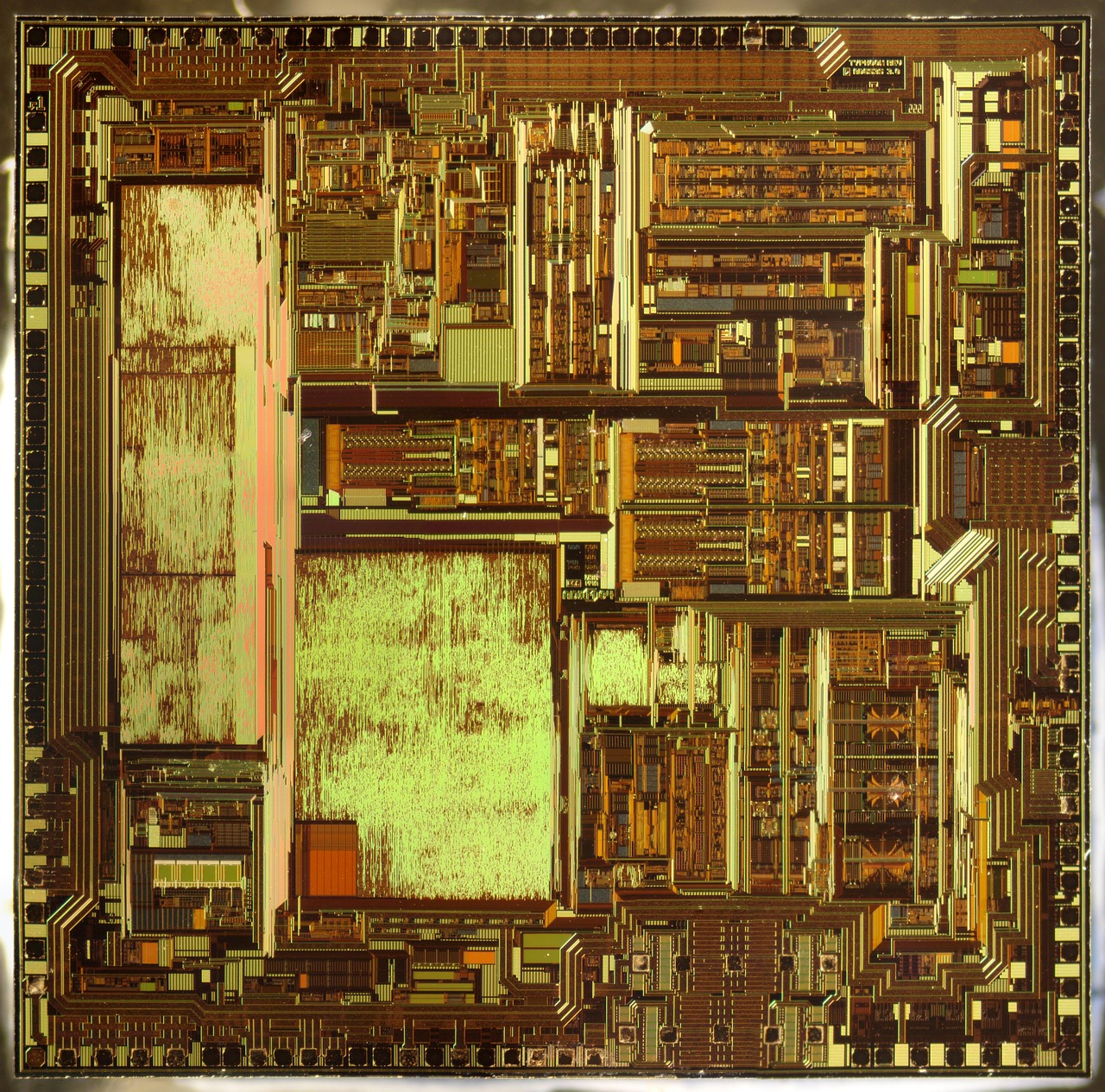
As President Donald Trump prepares to embark on a significant diplomatic tour across the Asia-Pacific region, the United States is simultaneously tightening the screws on its semiconductor export controls. This dual-track approach—combining high-level diplomacy with hard-edged technological protection—marks a definitive shift in how Washington manages its rivalry with Beijing. The administration has signaled that access to cutting-edge artificial intelligence chips will be further curtailed, effectively seeking to lock down the hardware foundation of China’s rapid AI advancements. This move is not merely a regulatory tweak but a strategic pivot that redefines the boundaries of global tech competition.
The timing of these restrictions is deliberate. By announcing stricter curbs ahead of the President's visit, the US is establishing firm ground rules before any bilateral negotiations take place. This approach suggests that the administration views technological supremacy not as a bargaining chip to be traded, but as a non-negotiable pillar of national security. For policymakers in Washington, the goal is to prevent the transfer of critical capabilities that could outpace American military and commercial interests. The result is a landscape where diplomatic engagement and economic containment operate in parallel, rather than in opposition.
The Geopolitical Stage is Set
Manila and the Quad Alliance
President Trump is scheduled to kick off his Asia trip in Manila, the capital of the Philippines. The primary focus here is the Quadrilateral Security Dialogue, commonly known as the Quad, which also includes Japan, Australia, and India. This grouping has increasingly become a vehicle for coordinating policies on the South China Sea and broader regional stability. By starting the tour in Manila, the US is reinforcing its alliances with democratic partners who share concerns about Chinese expansionism. The Quad talks are expected to emphasize interoperability and joint defense capabilities, signaling a united front against perceived aggression in the region.
The discussion in Manila will likely extend beyond traditional defense topics to include supply chain resilience. The semiconductor industry is a critical component of this resilience, and the Quad nations are all major players or key partners in the global chip ecosystem. Coordinating export controls and investment incentives among these four nations could create a more cohesive bloc capable of countering Chinese dominance in manufacturing. This strategic alignment suggests that the US is not acting alone but is building a coalition of peers who are equally invested in maintaining a balanced technological order.
The Chip War Intensifies
The specific measures being implemented involve restricting China's ability to purchase and manufacture advanced AI chips. These processors are the engine room of modern artificial intelligence, powering everything from large language models to autonomous systems. By limiting access, the US aims to slow down the pace of China's AI development, ensuring that American companies retain a significant lead in algorithmic capabilities. This is not the first time Washington has targeted the semiconductor sector, but the recent moves are more comprehensive, targeting not just the end products but also the tools and equipment needed to fabricate them.
- Entity List Expansion: Additional Chinese tech firms are being added to the list of entities prohibited from receiving US technology.
- Equipment Controls: Restrictions on the export of lithography and etching machines are being tightened to hinder domestic production.
- Cloud Access Limits: New rules may restrict Chinese companies from accessing US-based cloud computing services that provide AI training power.
These steps are designed to create a multi-layered barrier. Even if a Chinese firm manages to acquire some chips through gray markets, it will face significant hurdles in scaling up its operations due to the lack of supporting infrastructure and equipment. The intention is to make it economically and technically prohibitive for Beijing to catch up to US technological benchmarks in the near term.
Diplomatic Maneuvering with Beijing and Moscow
Following the Quad talks, the President is expected to meet with Chinese President Xi Jinping and Russian President Vladimir Putin. These summits are high-stakes events that will test the limits of US diplomatic leverage. China has stated that the trilateral discussions will focus on “world peace,” a framing that contrasts sharply with the US emphasis on security and technological integrity. The divergence in language highlights the fundamental disagreements between the two powerhouses over the rules governing international conduct.
Negotiations with Xi are expected to be tense, with the US likely pressing for concrete concessions on human rights, trade imbalances, and military behavior in the South China Sea. The semiconductor curbs serve as a backdrop to these talks, demonstrating that the US will act unilaterally if necessary. There is a risk that China could retaliate with its own export controls, potentially targeting rare earth minerals essential for US manufacturing. Such a tit-for-tat scenario could destabilize global supply chains, leading to higher costs for consumers and businesses worldwide.
Implications for Global Markets
The tightening of chip controls has immediate implications for the global semiconductor market. Companies that rely on Chinese manufacturing capacity or that sell to Chinese consumers may face revenue headwinds. Conversely, US and allied foundries may benefit from accelerated demand as multinationals seek to diversify their supply chains away from China. This shift is already underway, with massive investments being made in new fabrication plants in Arizona, Texas, and Japan. The government incentives are proving effective in reshaping the global map of chip production.
Investors are closely watching how these policies affect the profitability of major tech firms. While the long-term goal is to secure American technological leadership, the short-term costs are significant. Supply chain disruptions can lead to delays in product launches and increased prices for electronics. However, proponents argue that the cost of inaction—losing control over critical technologies—is far greater. The market is gradually adapting, with companies building more resilient, albeit more expensive, supply networks that prioritize security over pure efficiency.
What to Watch Next
In the coming weeks, observers should look for specific reactions from Beijing. Will China announce countermeasures, such as restricting exports of gallium or germanium? The timing of these responses will indicate the level of tension in the relationship. Additionally, the outcomes of the Quad talks will reveal whether the US has secured firm commitments from its allies to align their export policies. A unified approach would significantly enhance the effectiveness of the curbs on China.
Finally, the details of the US-China and US-Russia meetings will provide crucial insights into the future trajectory of great power competition. If the US can maintain its technological edge while managing diplomatic friction, it may set a precedent for handling other strategic rivals. For ordinary readers, the stakes are high: the decisions made in these boardrooms and summits will shape the availability, cost, and security of the digital tools that define modern life. The era of unbridled global tech integration is ending, replaced by a more fragmented, security-focused landscape.