The Rise of a Digital Culinary Icon
In the fast-paced world of social media, few creators have managed to sustain the level of engagement and rapid growth that Tini Younger achieved in the culinary space. By 2023, she had secured a prominent position as one of the most followed female chefs on TikTok, a platform known for its short-form video content and viral trends. Her ascent was not the result of a slow, traditional career path in professional kitchens, but rather a meteoric rise driven by a specific, highly shareable recipe that captured the imagination of millions. This phenomenon highlights a significant shift in how home cooks discover and adopt new foods, moving away from seasoned cookbooks and toward algorithm-driven discovery.
Younger’s journey exemplifies the modern creator economy, where a single piece of content can serve as a launchpad for a massive following. Unlike traditional chefs who build reputations through restaurant critiques or television appearances, Younger bypassed these gatekeepers entirely. Her audience values authenticity and visual appeal, two elements that her video content delivers in spades. The recipe that served as her breakout hit was characterized by its simplicity, affordability, and undoubtedly its indulgent, cheesy nature, which appealed to a broad demographic looking for easy dinner solutions.
Analyzing the Breakout Recipe
The Power of Simplicity and Stretch
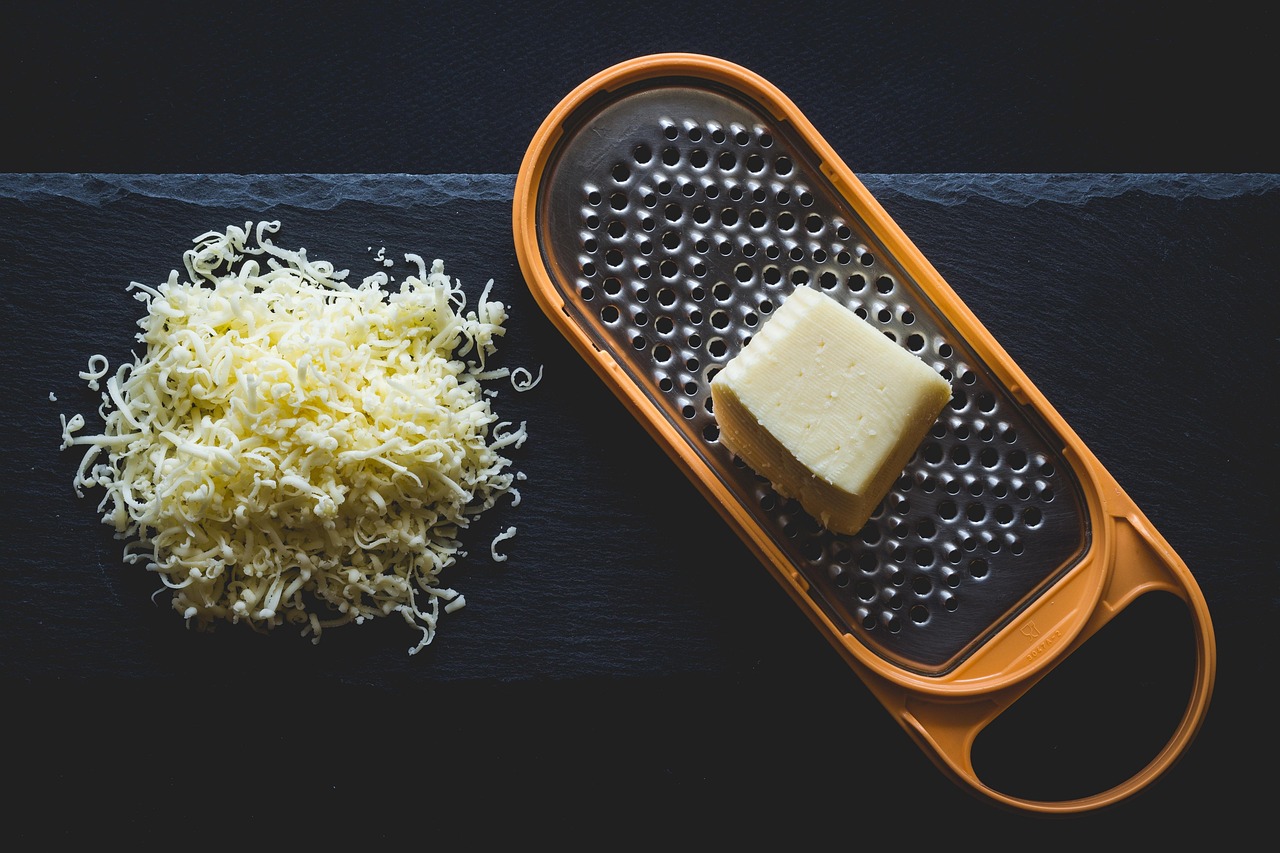
The specific recipe that propelled Younger into the spotlight is often categorized within the realm of comfort food, a genre that consistently performs well on short-form video platforms. While the exact ingredients may vary slightly in different iterations of the dish, the core appeal lies in the visual spectacle of melting cheese. In TikTok culture, the "pull" or the stretch of melted cheese is a primary driver of engagement, as it triggers a sensory response in viewers who can see the texture and quality of the dish. This visual hook is crucial for retaining viewer attention in the first few seconds of a video, a critical metric for the platform's algorithm.
Furthermore, the recipe was designed for accessibility. Home cooks, particularly younger demographics and busy professionals, are increasingly looking for meals that require minimal prep time and use pantry staples. By avoiding complex techniques or hard-to-source ingredients, Younger democratized high-quality cooking. The dish became a template for what successful home cooking content looks like: it must be easy to replicate, visually satisfying, and achievable within a tight time frame. This approach lowered the barrier to entry for her audience, encouraging them to try the recipe themselves and share their results, thus creating a feedback loop of engagement.
The Mechanics of Virality on TikTok
Understanding why this specific video took off requires a look at how the TikTok algorithm functions for food content. The platform favors content that generates high retention rates and encourages user interaction through likes, shares, and comments. Younger’s videos were optimized for these metrics. The pacing was quick, the audio was likely trending or highly relevant, and the visual presentation was clean and bright. These elements combined to create a seamless viewing experience that encouraged users to watch the video to the end, signaling to the algorithm that the content was valuable and worthy of wider distribution.
- Visual Appeal: The close-up shots of the cheese stretching created an immediate sensory connection.
- Accessibility: The instructions were clear and concise, removing any intimidation factor.
- Shareability: The result was photogenic, prompting users to tag friends or share the video in private messages.
- Timing: The release coincided with a period where comfort food trends were gaining momentum, likely driven by seasonal or cultural factors.
This combination of technical video quality and strategic content design is rarely accidental. Successful creators often study analytics to understand what works, adjusting their approach based on viewer behavior. Younger’s success suggests a keen understanding of these mechanics, allowing her to iterate on her content and maintain high performance levels even after the initial viral spike.
Community Engagement and Duet Culture
Another critical factor in the recipe’s longevity was the community response. TikTok’s duet and stitch features allow users to create side-by-side videos or add commentary to existing content. When a recipe goes viral, it often spawns a wave of user-generated content where individuals share their attempts, successes, and failures. This not only amplifies the reach of the original creator but also builds a sense of community around the dish. For Younger, this meant a constant stream of content related to her signature recipe, keeping her name and face in front of a large audience even as new trends emerged.
The interactive nature of the platform also allowed for real-time feedback. Users could ask questions in the comments, and Younger could respond, fostering a direct connection between chef and cook. This personal touch is a stark contrast to the impersonal nature of traditional media, where chefs rarely interact with their audience on such a granular level. It humanizes the creator and builds loyalty, turning casual viewers into dedicated fans who anticipate new releases.
Implications for Home Cooking Trends
The popularity of Younger’s recipe signals a broader trend in home cooking: the demand for efficient, visually rewarding meals. As more people cook at home, motivated by economic factors or health concerns, there is a growing rejection of complex, time-consuming dishes in favor of quick, satisfying options. This shift is not just about laziness; it is about prioritizing quality of life and enjoying the process of cooking without it becoming a chore. The rise of "cheesy" comfort foods reflects a desire for nostalgia and emotional comfort, especially in times of uncertainty.
This trend has also influenced grocery shopping habits. Ingredients that are versatile, shelf-stable, and capable of creating high-impact dishes have seen increased demand. Cheeses, for instance, have become a staple in many home pantries, not just as a condiment but as a central component of main dishes. Retailers and food brands have noticed this shift, marketing products that highlight their ability to create "viral-worthy" meals. The line between professional culinary techniques and home cooking is blurring, with accessible versions of once-elite dishes becoming mainstream.
Challenges for Digital Chefs
Despite the success, the path for digital chefs is fraught with challenges. The platform’s algorithm can shift rapidly, meaning that a creator who is popular today may struggle to maintain visibility tomorrow. There is a constant pressure to innovate and produce fresh content to stay relevant. For Younger and other creators, this means continuously testing new recipes, formats, and styles to keep the audience engaged. The risk of burnout is real, as the demand for regular, high-quality content can be overwhelming.
Additionally, the line between advertising and authentic content can become blurred. As creators gain fame, they often take on brand deals, which can sometimes feel inauthentic to their audience. Maintaining trust is crucial, and one misstep in product placement or messaging can lead to a loss of credibility. Younger has navigated this landscape carefully, ensuring that her content remains focused on the food and the experience, rather than just the promotion. This balance is essential for long-term success in the digital space.
Future Outlook for Culinary Content
Looking ahead, the culinary content landscape is likely to evolve further. We can expect more integration of reality TV elements, where chefs document their daily lives, challenges, and collaborations. The focus will remain on accessibility, but with a greater emphasis on sustainability and health-conscious adaptations. As audiences become more sophisticated, they will seek out creators who offer not just recipes, but stories and insights into the food industry. Younger’s success sets a precedent for this hybrid approach, blending entertainment with education and practical utility.
For ordinary readers, the takeaway is clear: social media has become a powerful tool for culinary discovery. By following creators like Tini Younger, home cooks can access a vast library of ideas and techniques that were previously unavailable or difficult to find. The key is to approach these trends with a critical eye, adapting recipes to personal tastes and dietary needs. The future of cooking is collaborative, digital, and deeply personal, and creators who can harness these elements will continue to lead the way.


